Driving is a responsibility, and with that responsibility comes rules. When drivers break those rules, they may get a “traffic ticket.” That might seem like no big deal. But understanding the kinds of traffic tickets, how much they might cost, and what they do to your driving record, that can make a real difference. Here’s a simple breakdown.
What is a Traffic Ticket?
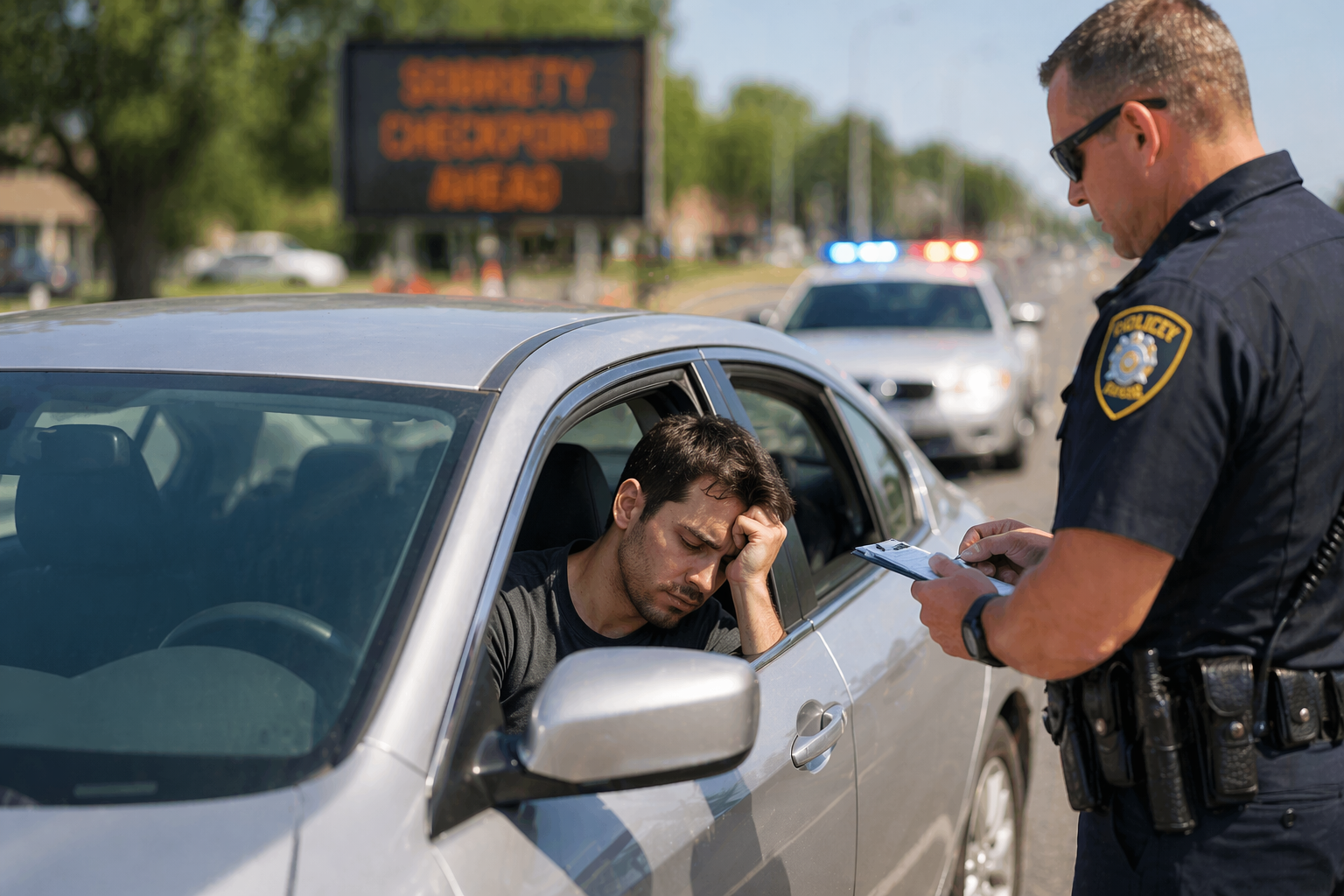
A traffic ticket is a written notice from police or traffic authorities that you’ve broken a traffic law. It’s not the same as a criminal crime; in most cases usually a “moving violation” or “infraction.” But it still carries consequences.
- Infractions/civil offences: These are the most common. For example: speeding, running a red light, failing to stop fully at a stop sign, or improper lane changes.
- Non-moving violations: These include parking tickets, registration problems, or basic faults with the vehicle (like broken lights).
- More serious offenses:: Reckless driving, driving under the influence (DUI/DWI), driving without a license or insurance, or leaving the scene of an accident. These are more serious than simple tickets and may lead to heavier penalties.
Common Types of Traffic Tickets
Here are some typical examples of traffic tickets:
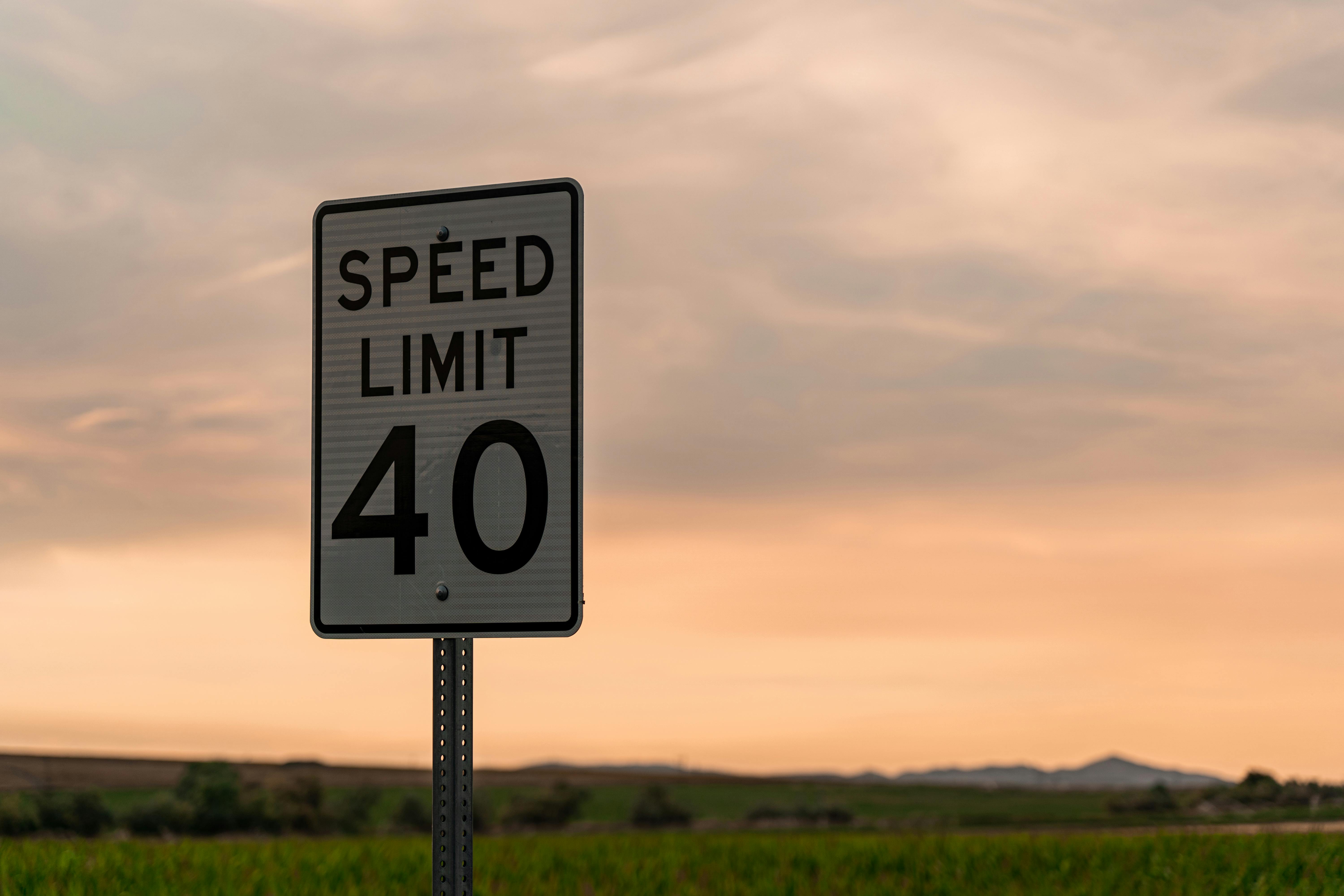
- Speeding: driving faster than the posted speed limit or too fast for conditions.
- Running a red light or stop sign: failing to obey traffic signals.
- Improper lane changes or unsafe lane usage: failing to signal, weaving, and cutting off other vehicles.
- Driving without a valid license or insurance is a serious offense in many jurisdictions.
- Reckless or dangerous driving: when the driver’s behavior shows disregard for safety (e.g., excessive speeding, weaving unsafely, aggressive driving).
- Non-moving violations such as parking fines, expired registration, or minor vehicle defects are usually less severe but still result in tickets.
Typical Costs and Penalties
The cost of a traffic ticket depends on several factors: what you did wrong, how serious it was, where it happened, and sometimes whether you have past offenses.
- For minor infractions (like small speeding over the limit, running a stop sign, or minor lane changes), typical fines may range roughly from US $75 to $400.
- For speeding tickets, the fine often depends on how much you exceeded the limit. Some places scale fines by “km/hr over” or “mph over.”
- For serious offenses (reckless driving, DUI, no license/insurance, leaving an accident scene), fines can be much larger. These may also come with other penalties such as license suspension, mandatory court hearings, or even criminal charges.
Beyond immediate fines, there can be “hidden” or long-term costs:
- Insurance rates may go up.
- Accumulating “points” on your driving record can lead to license suspension or revocation if you exceed certain thresholds.
- Repeat offenses often cause growing penalties; the more tickets you get, the worse the consequences.
How Tickets Affect Your Driving Record and Insurance
Getting a ticket isn’t just about paying money once. Here’s how tickets can affect you long-term:
- Points on Driving Record: Many jurisdictions use a “point system.” Each moving violation adds a certain number of points to your licence. If you accumulate too many in a set time, your license can be suspended.
- Insurance Premium Hikes: Insurance companies see tickets as a sign of risky driving. Even one ticket can raise your premiums. More serious or repeated violations cause bigger increases.
- Record Duration Matters: Violations often remain on your record for several years, typically 3 to 5 years, sometimes more for serious offenses, meaning the impact to your insurance or license status doesn’t disappear quickly.
- Risk of License Suspension: Repeated moving violations or serious offenses can lead to license suspension or revocation.
- Other Possible Consequences: For serious offenses like DUI and reckless driving, there can be court hearings, heavier fines, possible jail time, community service, or criminal records.
Why Tickets Matter More Than You Think: The Bigger Picture
A traffic ticket isn’t just a “fine and forget.” Even a minor driving mistake can ripple through your life in surprising ways. Here’s why you should take traffic rules seriously:
- Tickets reflect on your safety reputation as a driver. Insurance firms see them as red flags.
- Repeat violations, even small ones, add up. Over time, they make your driving record “dirty,” increasing the risk you owe more later (higher premiums) or lose driving privileges.
- Serious offenses can affect more than just money: license loss, legal trouble, or criminal consequences may follow.
- Even non-moving violations (like parking tickets) can become costly if unpaid, possibly escalating to license or registration problems.
The bottom line: a traffic ticket is not just “a small fine.” It’s a record, and that record can haunt you for years.
What You Can Do: Be a Smart Driver
- Obey traffic rules. Simple, but most tickets come from speeding, not stopping, wrong turns, avoid risky behaviour.
- Keep your car in good shape (lights, brakes, registration) and paperwork up to date, to avoid non-moving tickets.
- Treat each ticket seriously: pay on time or, if allowed, attend traffic school or a defensive driving course (if the law allows), which may reduce the penalty or keep the ticket off your record.
- Avoid repeat offenses; a clean driving history is one of the best ways to keep insurance and legal troubles low.
- Check local laws: “points,” “fines,” and “how long tickets stay” vary by place.
Take Every Ticket Seriously
A traffic ticket may feel minor in the moment, but its impact can extend far beyond a single fine. Increased insurance costs, accumulated points, license suspension, and even legal consequences can follow drivers who underestimate the seriousness of traffic violations.
The best approach is to drive responsibly, stay informed about local laws, and maintain a clean driving record. If you do receive a ticket, treat it with care and address it promptly. A thoughtful response today can help protect your license, finances, and future tomorrow. Contact a traffic ticket attorney now.
Frequently Asked Questions
Do parking tickets affect my driving record?
Usually, no parking or other “non-moving” tickets often do not go onto driving records or affect insurance rates directly.
If I get a speeding ticket, how long will it stay on my record?
In many places, a traffic ticket stays on record for 3 to 5 years.
Can a ticket make my insurance cost more?
Yes. Insurers often increase premiums after a ticket because it signals a higher risk.
What happens if I get too many tickets?
If you accumulate too many “points” (depending on the local point system), you could face license suspension or revocation.
Are all tickets the same? Is speeding as serious as DUI?
No. There’s a big difference. Minor infractions (like small speeding or improper lane change) carry modest fines. But serious offences, like reckless driving, DUI, driving without a license/insurance, bring heavier fines, possible license suspension, and sometimes legal or criminal penalties.


.svg)