
.svg)
October 14, 2026
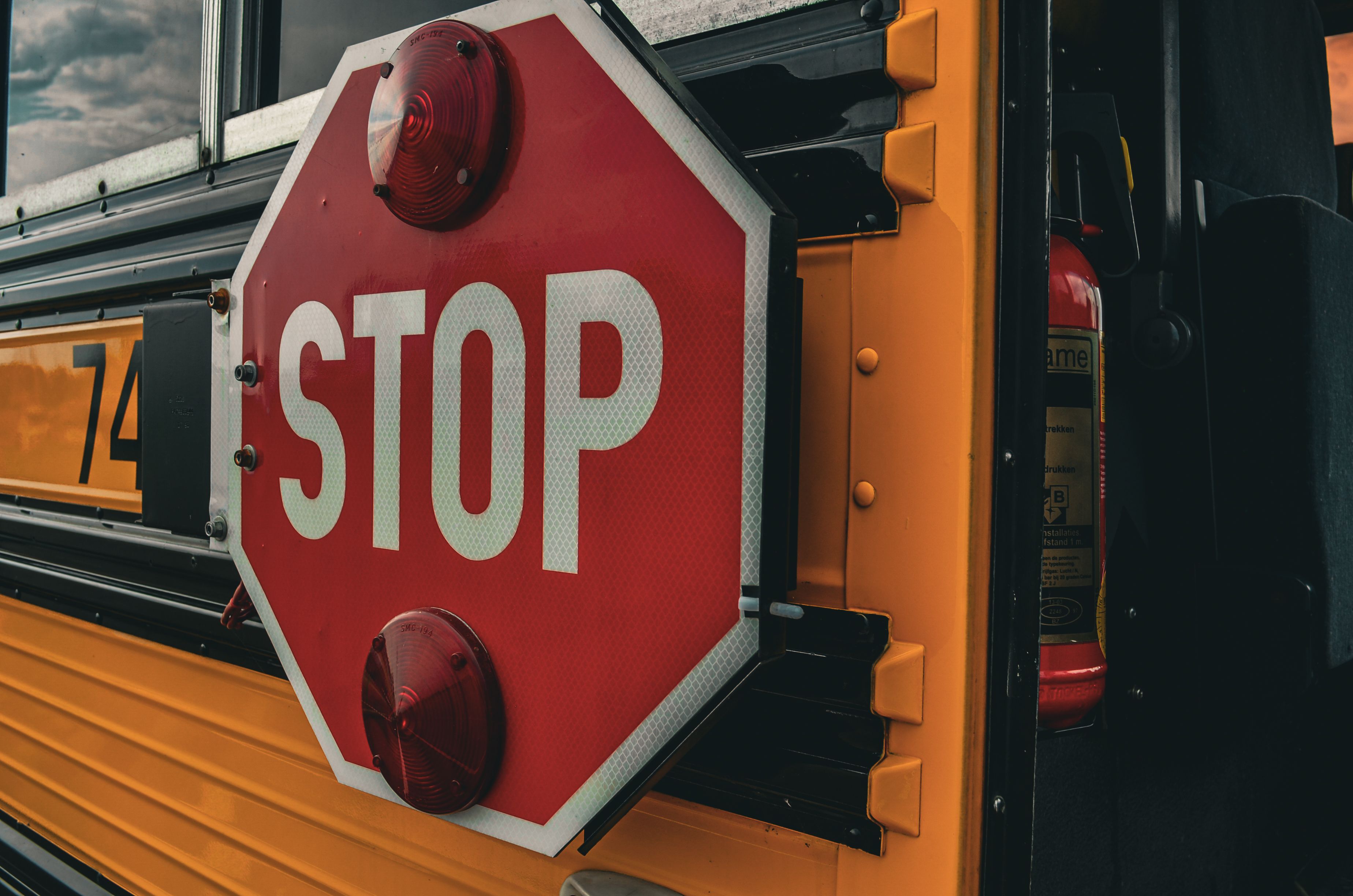
Nassau County Speeding Ticket in School Zones and Residential AreasA speeding ticket Nassau County drivers receive in a school zone or residential area can involve more than an ordinary traffic fine.
Summary
After receiving a traffic ticket for drunk driving in Westchester County, drivers typically face a series of legal steps including arraignment, possible license suspension, court proceedings, and potential penalties. The outcome depends on factors like BAC level, prior offenses, and how the stop was conducted. Understanding the process early can help protect your rights and improve your chances of reducing or dismissing charges.
It often starts with flashing lights in your rearview mirror. Maybe you were leaving a dinner, heading home after drinks, or simply driving late at night.
An officer may pull you over for:
Once the officer suspects alcohol involvement, the situation quickly escalates from a routine stop to a potential DUI case and eventually a Westchester traffic ticket for drunk driving.
After pulling you over, the officer begins gathering evidence. This includes:
You may be asked to perform field sobriety tests or take a preliminary breath test. These results play a key role in determining whether you’ll be ticketed or arrested.
This early stage is critical. Any procedural mistake made by law enforcement could later be used in your defense.
If the officer believes there is enough evidence, you may receive:
In many cases, you’ll also be arrested and taken into custody, especially if your BAC exceeds the legal limit.
At this point, the legal process officially begins, and the consequences can quickly escalate.
One of the most immediate concerns after a DUI-related ticket is your driver’s license.
You could face:
In New York, refusing a chemical test can trigger an automatic administrative suspension, separate from criminal penalties.
Your first court appearance is called an arraignment. This is where:
This step may seem routine, but it sets the tone for your case. Having a Westchester traffic ticket attorney at this stage can make a significant difference.
After the arraignment, both sides begin building their case.
This phase is where many cases are won or lost. A strong legal strategy can uncover weaknesses that aren’t obvious at first.
Not every DUI case goes to trial. In many situations, your attorney may:
If no agreement is reached, the case proceeds to trial, where evidence is presented before a judge.
If convicted, penalties for a Westchester traffic ticket related to drunk driving may include:
Even a first-time offense can have lasting consequences on your record and insurance.
A DUI-related traffic ticket doesn’t just end in court. It can affect:
That’s why taking the situation seriously from the start is essential.
After receiving a Westchester traffic ticket for drunk driving, many drivers unintentionally hurt their case by:
Every case has unique details and those details matter.
DUI-related traffic tickets involve both criminal and administrative consequences. Without proper legal guidance, it’s easy to overlook critical defenses.
A Westchester traffic ticket attorney can:
In many cases, early legal intervention leads to better outcomes.
If you’ve received a traffic ticket for drunk driving, don’t wait to take action. The earlier you involve an attorney, the more options you may have.
Contact a Westchester traffic ticket attorney today to review your case, protect your license, and build a strong defense.
Not always. Many first-time offenses result in fines, programs, or reduced charges but it depends on the circumstances.
It can take several weeks to months, depending on court schedules and case complexity.
Possibly. Some drivers receive temporary driving privileges, but others face immediate suspension.
Yes. Cases can be reduced or dismissed if there are issues with the stop, evidence, or procedures.
Yes. DUI-related traffic tickets are serious, and legal representation can significantly improve your outcome.
October 14, 2026
Nassau County Speeding Ticket in School Zones and Residential AreasA speeding ticket Nassau County drivers receive in a school zone or residential area can involve more than an ordinary traffic fine.
October 2, 2026
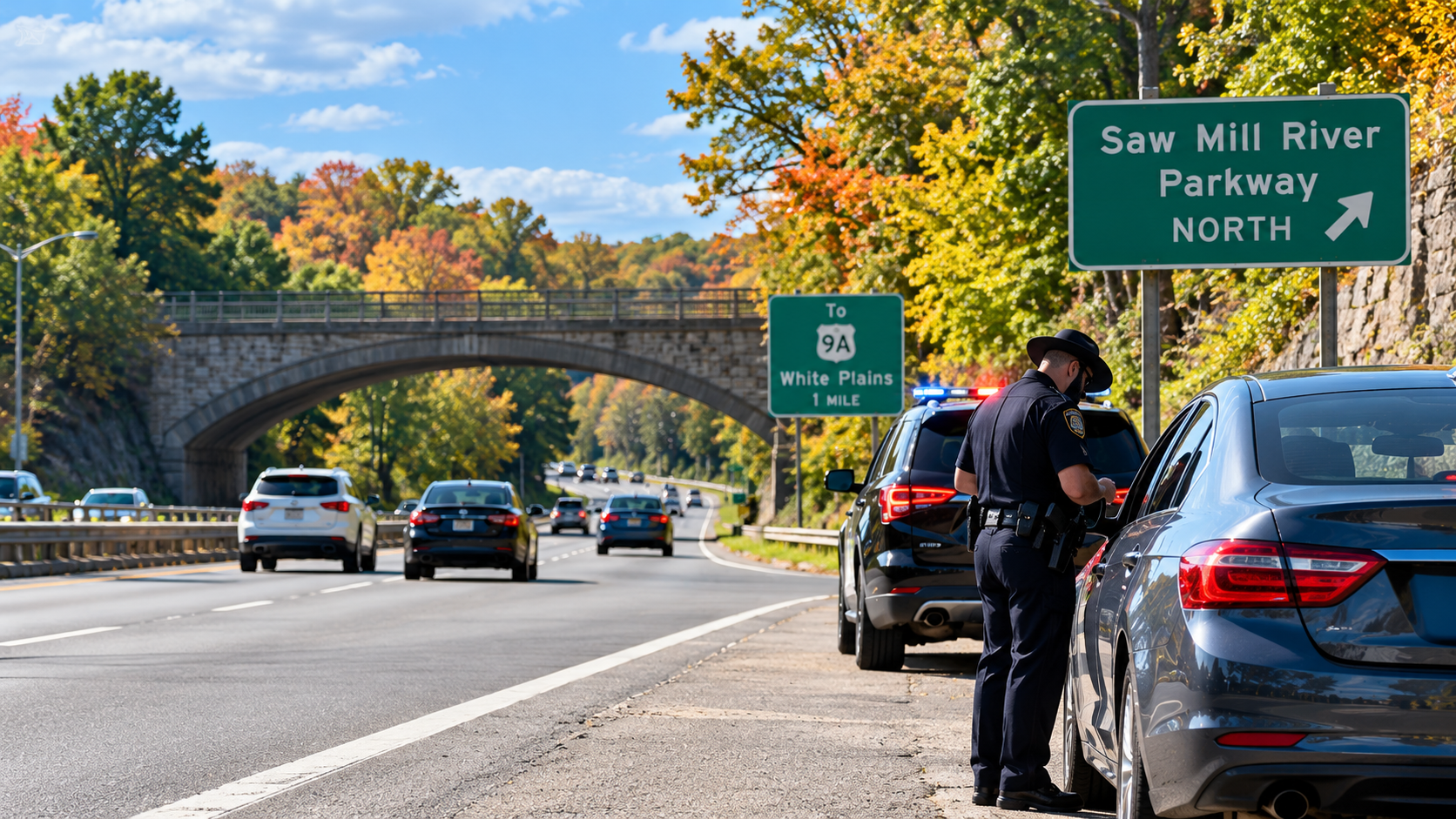
Westchester County Speeding Ticket on Major Parkways and Arterial RoadsA speeding ticket in Westchester County can result in points, fines, and potential insurance consequences, depending on the alleged violation and how the case is resolved.
September 25, 2026
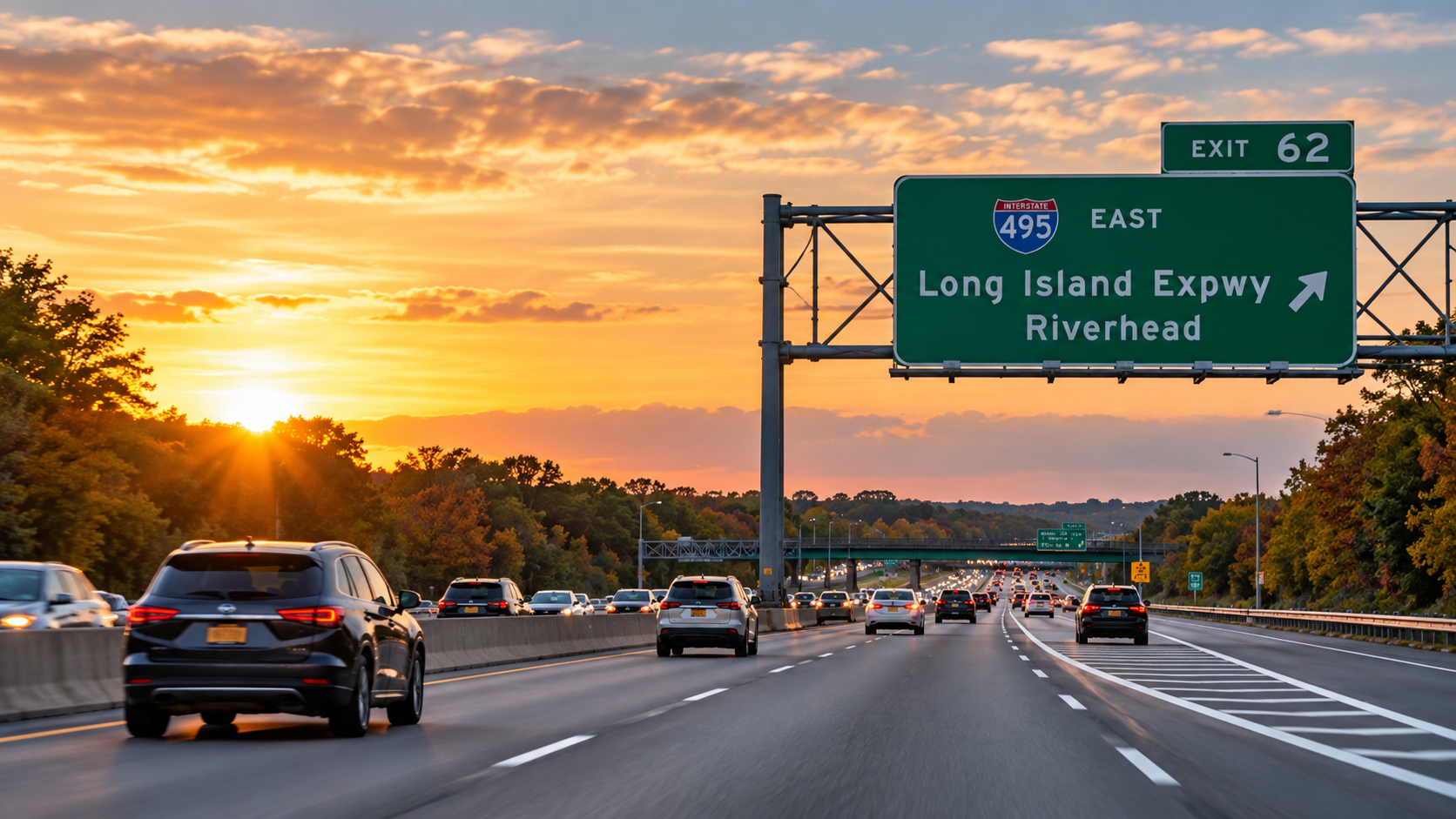
Suffolk County Speeding Ticket on the Long Island Expressway: What Drivers Should KnowA speeding ticket on the Long Island Expressway in Suffolk County can lead to fines, points on your driving record, and potential insurance consequences.

August 24, 2026
Teen Drivers and Junior License Tickets in Suffolk County: What Parents Should KnowParents should understand how junior license restrictions and traffic violations can affect teen drivers, driving privileges, and insurance in Suffolk County.
.jpg)
August 21, 2026
Winter Weather Driving Violations in Westchester: Skidding, Black Ice, and Fault DisputesWinter conditions such as black ice, snow, and slippery roads can lead to skidding, traffic tickets, and disputes over fault after a Westchester County collision.
August 19, 2026
Illegal U-Turns, Unsafe Lane Changes, and Other "Minor" Moving Violations in Nassau CountyIllegal U-turns, unsafe lane changes, and other seemingly minor moving violations in Nassau County can still result in fines, points, insurance consequences, or other penalties, making it important to understand your rights and options after receiving a ticket.