
.svg)
October 14, 2026
Nassau County Speeding Ticket in School Zones and Residential AreasA speeding ticket Nassau County drivers receive in a school zone or residential area can involve more than an ordinary traffic fine.
Summary
Sobriety checkpoints in Westchester County are a common law enforcement strategy used to identify impaired drivers and reduce accidents. While many drivers pass through without issue, others may receive a Westchester traffic ticket or face DUI charges based on officer observations, field sobriety tests, and breathalyzer results. Understanding how these stops work and what your rights are can make a major difference in the outcome of your case.
It’s a typical weekend evening in Westchester County. Traffic slows down as flashing lights appear ahead. Orange cones guide vehicles into a single lane. Officers move methodically from car to car.
Sobriety checkpoints are legal in New York and are often set up during weekends, holidays, or special enforcement campaigns. Their purpose is simple: deter and detect impaired driving.
For most drivers, the interaction lasts less than a minute. But for others, that brief stop can quickly escalate into a Westchester traffic ticket or even an arrest.
A driver leaves a dinner party believing they’re fine to drive. At the checkpoint, an officer notices subtle signs, such as slightly delayed responses, the faint smell of alcohol, or glassy eyes.
The driver is asked to pull over for further evaluation. This often includes:
Even if the driver feels sober, their blood alcohol concentration (BAC) may be above the legal limit. The result? A traffic ticket for driving while intoxicated (DWI) or driving while ability impaired (DWAI).
In situations like this, working with a Westchester traffic ticket attorney can help evaluate whether the stop and testing procedures were properly conducted.
Not every stop involves alcohol. Some drivers panic at checkpoints, leading to behaviors that raise suspicion:
While nervousness alone isn’t illegal, it can prompt officers to investigate further. If additional violations are discovered, such as expired registration or a suspended license, the driver may receive a Westchester traffic ticket unrelated to DUI.
This highlights an important point: checkpoints don’t just catch drunk drivers; they uncover a wide range of traffic violations.
In New York, drivers have the right to refuse a chemical test, but that decision comes with consequences.
At a checkpoint, a driver suspected of impairment may decline a breathalyzer. While this avoids an immediate BAC reading, it can lead to:
Many drivers assume refusal helps their case, but it often complicates it further. A skilled attorney can assess whether the request for testing followed proper legal procedures and whether the refusal penalties can be challenged.
Sometimes, the designated driver isn’t as sober as they should be. Even a small amount of alcohol can affect coordination and reaction time.
At a checkpoint, officers are trained to detect impairment beyond just BAC levels. If performance on field sobriety tests raises concerns, the driver may still face charges—even if they’re below the legal limit.
This scenario often leads to DWAI charges, which still carry serious consequences, including fines, points, and insurance increases.
Sobriety checkpoints follow strict legal guidelines, but officers are given discretion in how they evaluate drivers. A typical process includes:
While the system is designed to be systematic, errors and inconsistencies can happen. That’s where legal representation becomes critical.
If you’re stopped at a checkpoint in Westchester, you have rights that protect you:
Understanding these rights can help you avoid making statements or decisions that could be used against you later.
After receiving a Westchester traffic ticket, many drivers unintentionally hurt their case by:
Even a seemingly small violation can lead to long-term consequences, including higher insurance premiums and points on your license.
A Westchester traffic ticket attorney does more than show up in court. They can:
In many cases, what seems like a straightforward ticket may have weaknesses that can be used in your defense.
Getting caught at a checkpoint can be stressful and overwhelming. What starts as a routine stop can quickly turn into a legal issue with lasting consequences.
But a traffic ticket doesn’t automatically mean conviction. The details of your stop—how it was conducted, what evidence was collected, and how procedures were followed—can all impact your case.
If you’ve been stopped at a checkpoint and issued a ticket, don’t handle it alone. An experienced Westchester traffic ticket attorney can review your case, protect your rights, and work toward the best possible outcome.
Contact a Westchester traffic ticket attorney today to discuss your options and start building your defense.
Yes. Sobriety checkpoints are legal in New York as long as they follow constitutional guidelines, including advance planning and non-discriminatory stops.
You can legally avoid a checkpoint if you do so safely and without violating traffic laws. However, illegal maneuvers may give officers a reason to stop you.
Failing a breathalyzer can result in a DUI charge, license suspension, fines, and potential court appearances.
Yes, but it still carries penalties, including fines, points on your license, and possible insurance increases.
Yes, especially for DUI-related tickets. An attorney can identify defenses and help reduce or dismiss charges.
October 14, 2026
Nassau County Speeding Ticket in School Zones and Residential AreasA speeding ticket Nassau County drivers receive in a school zone or residential area can involve more than an ordinary traffic fine.
October 2, 2026
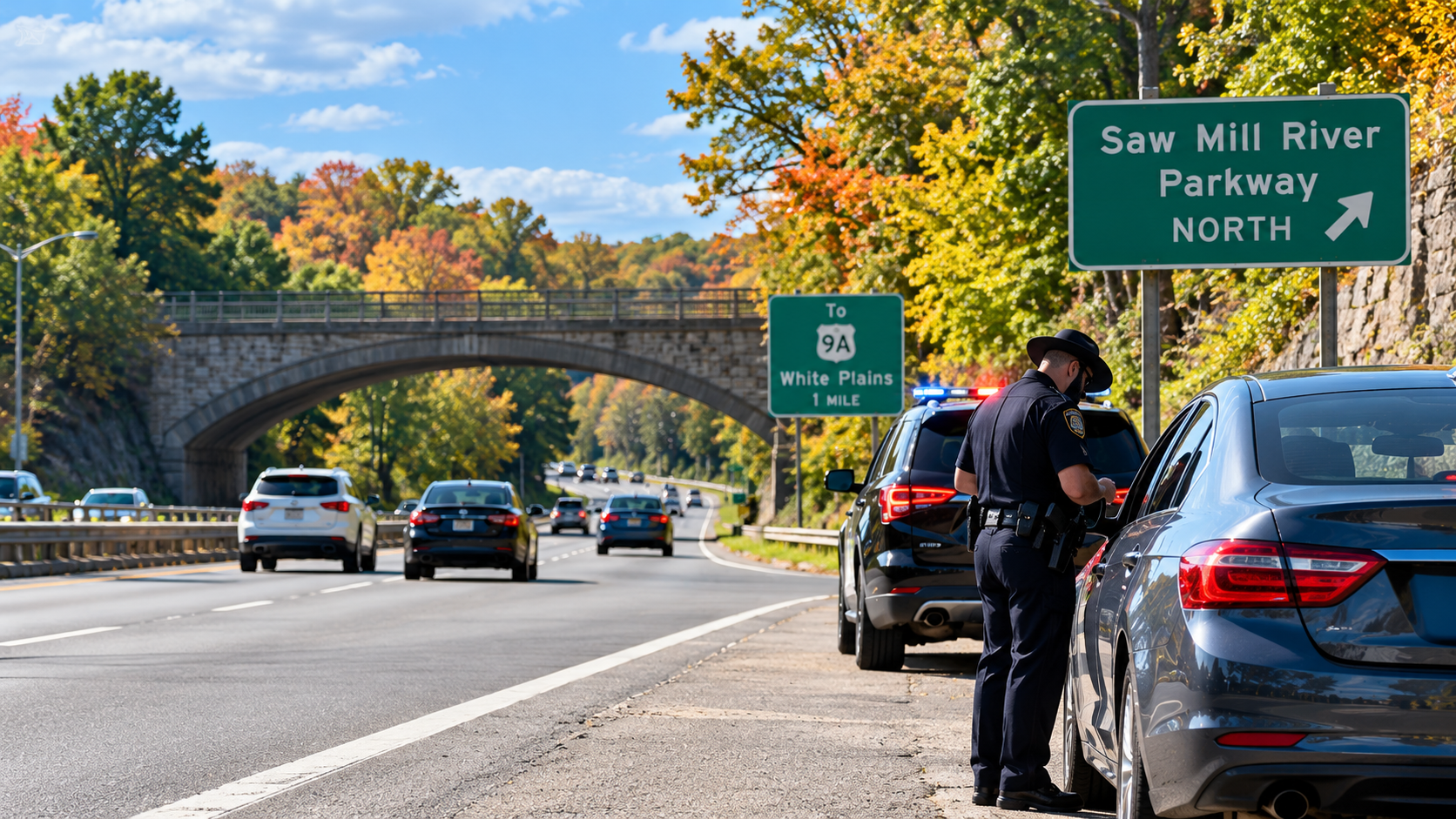
Westchester County Speeding Ticket on Major Parkways and Arterial RoadsA speeding ticket in Westchester County can result in points, fines, and potential insurance consequences, depending on the alleged violation and how the case is resolved.
September 25, 2026
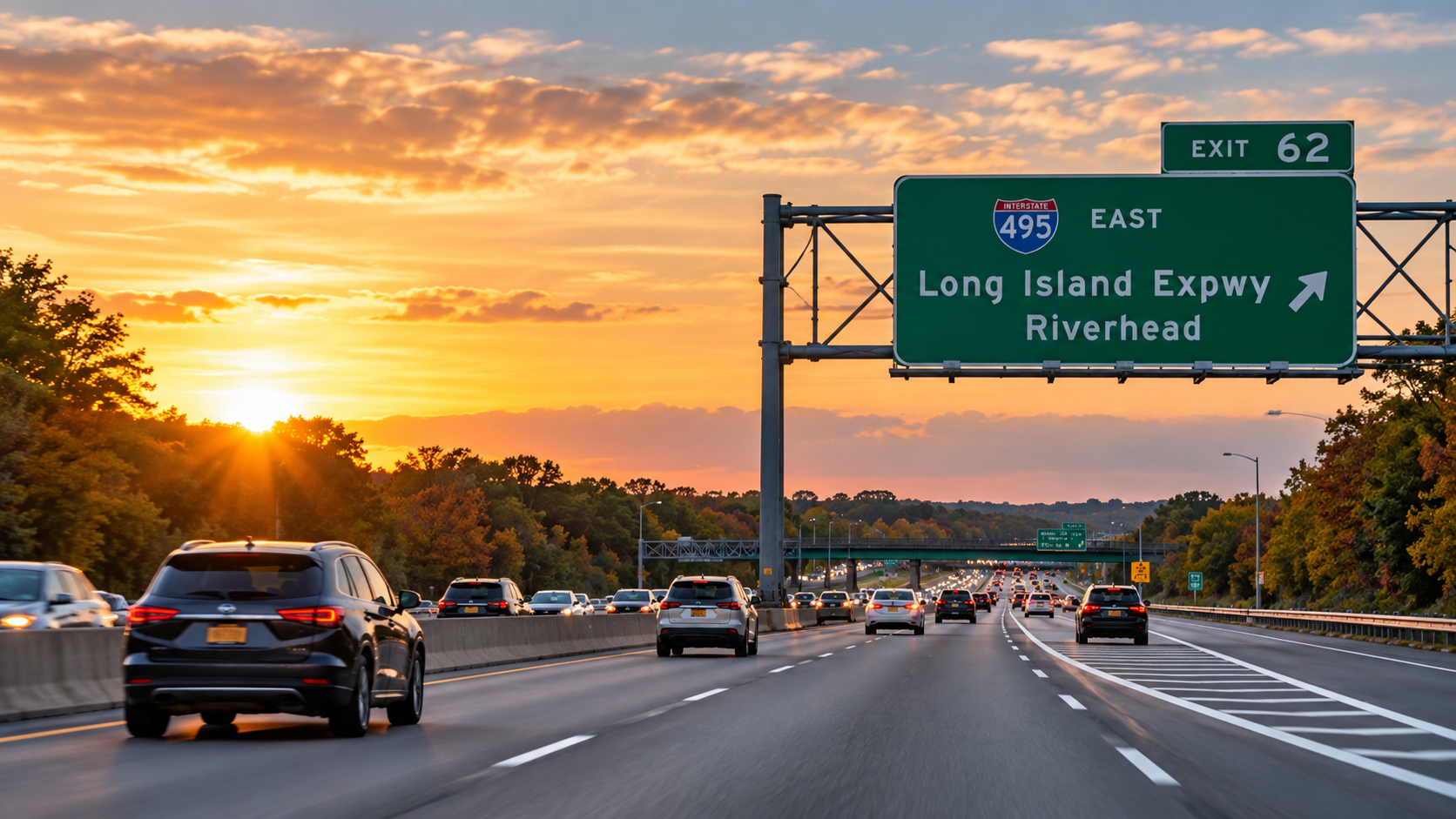
Suffolk County Speeding Ticket on the Long Island Expressway: What Drivers Should KnowA speeding ticket on the Long Island Expressway in Suffolk County can lead to fines, points on your driving record, and potential insurance consequences.

August 24, 2026
Teen Drivers and Junior License Tickets in Suffolk County: What Parents Should KnowParents should understand how junior license restrictions and traffic violations can affect teen drivers, driving privileges, and insurance in Suffolk County.
.jpg)
August 21, 2026
Winter Weather Driving Violations in Westchester: Skidding, Black Ice, and Fault DisputesWinter conditions such as black ice, snow, and slippery roads can lead to skidding, traffic tickets, and disputes over fault after a Westchester County collision.
August 19, 2026
Illegal U-Turns, Unsafe Lane Changes, and Other "Minor" Moving Violations in Nassau CountyIllegal U-turns, unsafe lane changes, and other seemingly minor moving violations in Nassau County can still result in fines, points, insurance consequences, or other penalties, making it important to understand your rights and options after receiving a ticket.