
.svg)

October 14, 2026
Nassau County Speeding Ticket in School Zones and Residential AreasA speeding ticket Nassau County drivers receive in a school zone or residential area can involve more than an ordinary traffic fine.
Traffic enforcement in Westchester County has shifted toward data-driven strategies and increased use of technology, focusing on high-risk violations like speeding and distracted driving. These changes affect how traffic tickets are issued, supported by evidence, and processed in court.
Traffic enforcement in Westchester County has evolved significantly in recent years. What was once largely dependent on traditional traffic stops and officer discretion now reflects a broader shift toward data-driven enforcement, technology integration, and stricter compliance with statewide initiatives.
For drivers, these changes directly impact how a traffic ticket Westchester County is issued, processed, and defended. Understanding these developments can help motorists make more informed decisions if they receive a citation.
Law enforcement agencies in Westchester County increasingly rely on data to identify high-risk areas and behaviors. Rather than random patrol patterns, officers are often deployed based on:
This approach allows for more targeted enforcement, meaning drivers are more likely to encounter monitoring in locations with documented safety concerns.
Technology has become a central component of traffic enforcement across Westchester County. This includes:
These tools can strengthen the evidence used in issuing a Westchester traffic ticket, making it more important for drivers to understand how violations are documented.
Recent enforcement trends show a stronger emphasis on violations that are statistically linked to accidents and injuries. These include:
Campaigns aligned with statewide safety initiatives have increased visibility and enforcement of these behaviors, often resulting in higher citation rates.
Traffic cases in Westchester County are handled through local courts, and procedural expectations have also evolved. In many cases:
Drivers contesting a traffic ticket may notice that cases now involve more formalized processes compared to prior years.
New York has introduced various initiatives aimed at reducing traffic-related injuries and fatalities. These programs influence enforcement practices at the county level by:
As a result, enforcement in Westchester County reflects both local priorities and broader statewide safety goals.
These changes mean that drivers in Westchester County may experience:
In practical terms, a traffic ticket Westchester County may now carry more long-term implications, particularly when it comes to points, insurance premiums, and driving records.
Despite these changes, many drivers continue to make avoidable errors after receiving a ticket:
Being informed about enforcement trends can help drivers avoid these missteps.
As enforcement methods evolve, so do defense strategies. Addressing a traffic ticket violation in Westchester County may now involve:
Legal approaches often focus on both the facts of the case and how the evidence was obtained and presented.
Traffic enforcement in Westchester County is no longer as straightforward as it once was. With the integration of technology, data-driven policing, and stricter oversight tied to statewide safety goals, drivers are now operating in a more closely monitored environment.
For anyone dealing with a traffic ticket Westchester County, this shift highlights the importance of understanding not just the violation itself, but also how enforcement practices may influence the outcome.
Speaking with a Westchester County traffic ticket attorney can help you evaluate the situation, understand potential outcomes, and determine the most appropriate course of action based on your case.
Enforcement has become more targeted and data-driven, which can make it feel more frequent in certain areas.
Technology is increasingly used, but implementation depends on local authorization and state regulations.
Yes, drivers generally have the option to contest a ticket through the appropriate court process.
Penalties are set by law, but stronger evidence may influence how cases are resolved.
Many enforcement efforts prioritize behaviors linked to higher accident risks, such as speeding and distracted driving.
October 14, 2026
Nassau County Speeding Ticket in School Zones and Residential AreasA speeding ticket Nassau County drivers receive in a school zone or residential area can involve more than an ordinary traffic fine.
October 2, 2026
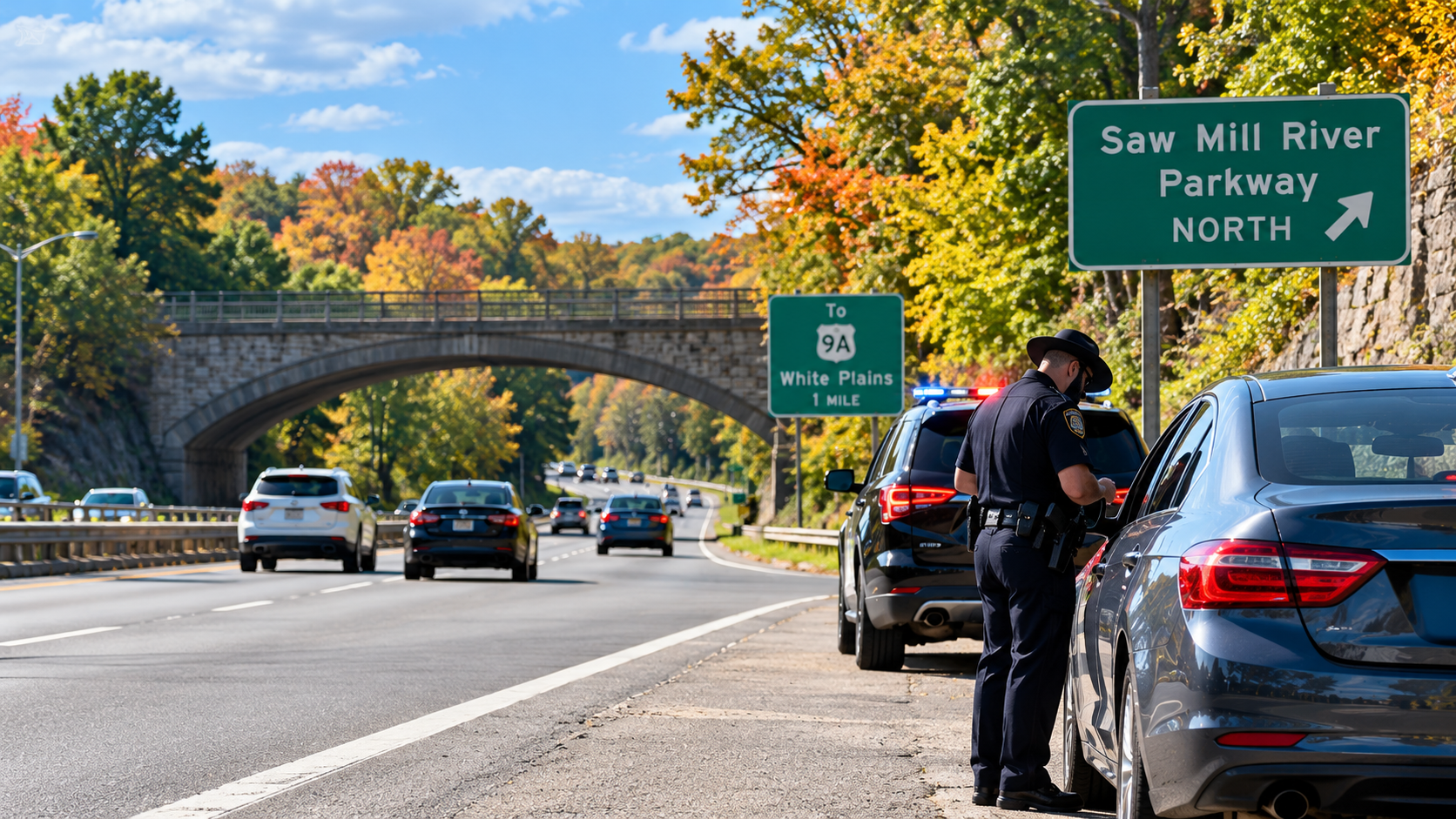
Westchester County Speeding Ticket on Major Parkways and Arterial RoadsA speeding ticket in Westchester County can result in points, fines, and potential insurance consequences, depending on the alleged violation and how the case is resolved.
September 25, 2026
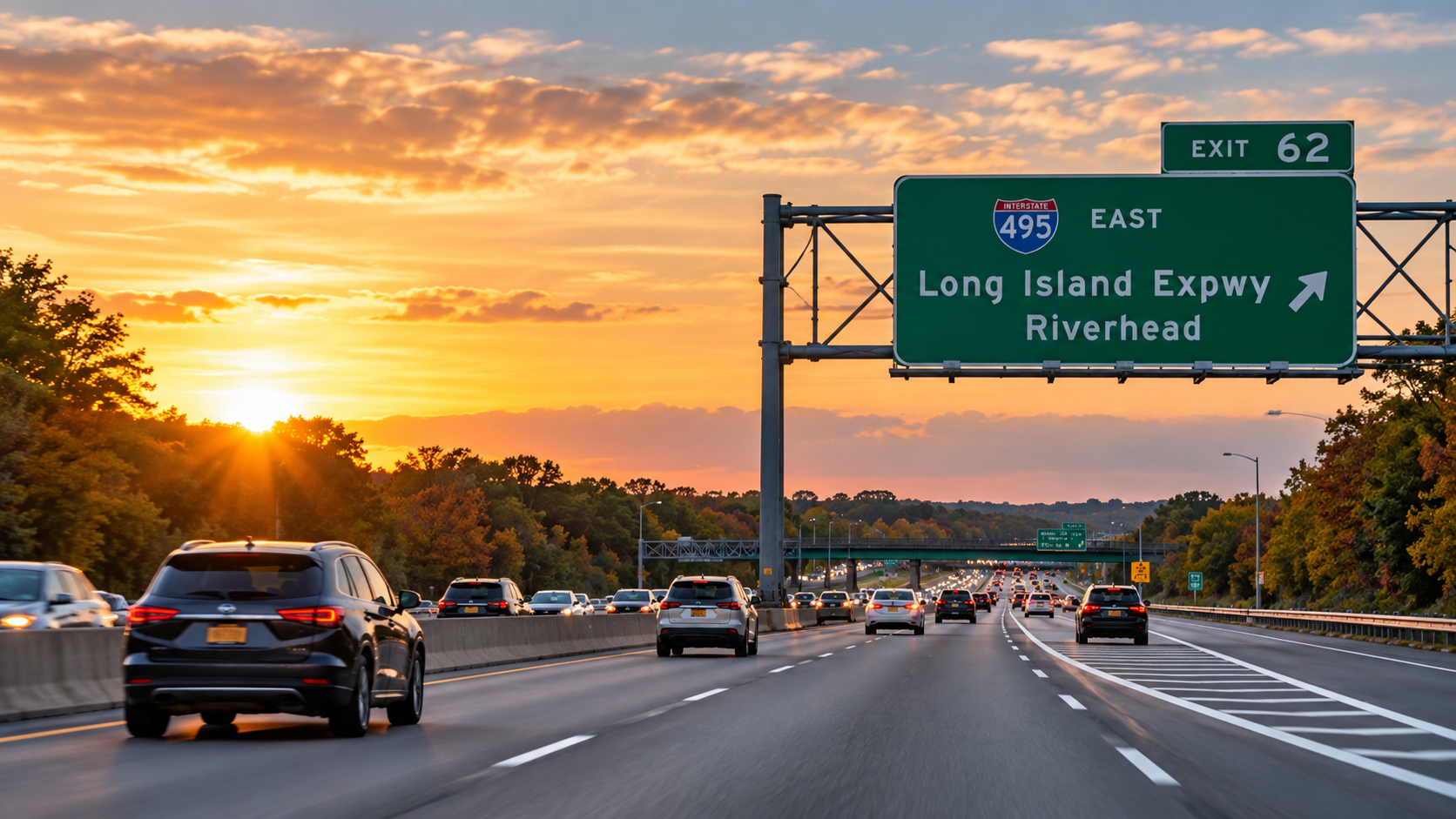
Suffolk County Speeding Ticket on the Long Island Expressway: What Drivers Should KnowA speeding ticket on the Long Island Expressway in Suffolk County can lead to fines, points on your driving record, and potential insurance consequences.

August 24, 2026
Teen Drivers and Junior License Tickets in Suffolk County: What Parents Should KnowParents should understand how junior license restrictions and traffic violations can affect teen drivers, driving privileges, and insurance in Suffolk County.
.jpg)
August 21, 2026
Winter Weather Driving Violations in Westchester: Skidding, Black Ice, and Fault DisputesWinter conditions such as black ice, snow, and slippery roads can lead to skidding, traffic tickets, and disputes over fault after a Westchester County collision.
August 19, 2026
Illegal U-Turns, Unsafe Lane Changes, and Other "Minor" Moving Violations in Nassau CountyIllegal U-turns, unsafe lane changes, and other seemingly minor moving violations in Nassau County can still result in fines, points, insurance consequences, or other penalties, making it important to understand your rights and options after receiving a ticket.