
.svg)

October 14, 2026
Nassau County Speeding Ticket in School Zones and Residential AreasA speeding ticket Nassau County drivers receive in a school zone or residential area can involve more than an ordinary traffic fine.
Technology is reshaping how traffic laws are enforced and contested in Westchester County. From speed detection tools to video recordings, modern evidence plays a growing role in how a traffic ticket Westchester County is issued and evaluated in court.
For drivers, this shift means that traffic cases are no longer based solely on an officer’s observations. Instead, a combination of digital tools and recorded data can influence both enforcement and legal outcomes.
Traffic enforcement in Westchester County increasingly incorporates multiple forms of technology to monitor driver behavior and document violations. These tools are used to:
As a result, a traffic ticket in Westchester County may now involve multiple layers of evidence rather than a single observation.
Speed cameras are one of the most visible forms of modern traffic enforcement. Where authorized, they are often placed in areas such as:
These systems automatically capture images or video when a vehicle exceeds the speed limit. For drivers, this means:
Understanding how automated enforcement works is essential when responding to a traffic violation Westchester County issued through these systems.
Traditional speed enforcement has also evolved through more advanced tools such as radar and lidar devices. These technologies allow officers to measure vehicle speed with increased accuracy.
In many traffic cases, radar or lidar readings serve as key evidence. However, their use may also raise important considerations, such as:
These details can become relevant when evaluating the validity of a traffic ticket Westchester County.
Video evidence from dashcams and body-worn cameras has become more common in traffic enforcement. These recordings can:
For drivers, this type of evidence can either support or challenge a citation, depending on what is recorded. It also adds a layer of transparency to the enforcement process.
The increased use of technology has influenced how traffic cases are approached from a legal standpoint. Rather than relying solely on witness testimony, cases may now involve:
This shift means that addressing a traffic ticket violation may require a more detailed analysis of evidence than in the past.
When a traffic case involves technological evidence, several factors may come into play:
These elements can influence how evidence is interpreted and whether it holds up under scrutiny.
Despite its growing use, there are still misunderstandings about how technology impacts traffic enforcement:
Understanding these nuances is important when dealing with a traffic ticket violation Westchester County.
For drivers in Westchester County, technology has created a more evidence-driven enforcement environment. This can result in:
It also means that drivers should approach traffic cases with a clearer understanding of how evidence is collected and used.
Drivers navigating a traffic ticket Westchester County may benefit from reviewing credible legal resources and guidance. Exploring a comprehensive overview of traffic violations and defense considerations can provide helpful context when evaluating next steps.
For those dealing with more complex cases, learning about how evidence is analyzed in traffic court proceedings can also offer insight into how technology may affect outcomes.
Technology has significantly transformed traffic enforcement in Westchester County. With tools like speed cameras, radar, and video recording devices now playing a central role, traffic cases are increasingly shaped by digital evidence rather than solely by observation.
For anyone facing a traffic ticket Westchester County, this shift underscores the importance of understanding how technology is used and how it may influence the outcome of a case. A more informed approach can help drivers better navigate the process and evaluate their options.
If you’re dealing with a violation in Westchester County and your case involves technological evidence, it may be helpful to speak with a traffic ticket attorney in Westchester County. Understanding how evidence is gathered, reviewed, and presented can make a meaningful difference in how your case is handled.
Automated enforcement is used in certain areas, and tickets issued through these systems typically follow specific legal procedures.
Yes, factors such as calibration and proper use may be reviewed when evaluating radar-based evidence.
They can do either, depending on what the footage shows.
Not necessarily. Some cases still rely on officer observations, but video is increasingly common.
It can add complexity, but it may also provide additional avenues for reviewing the evidence.
October 14, 2026
Nassau County Speeding Ticket in School Zones and Residential AreasA speeding ticket Nassau County drivers receive in a school zone or residential area can involve more than an ordinary traffic fine.
October 2, 2026
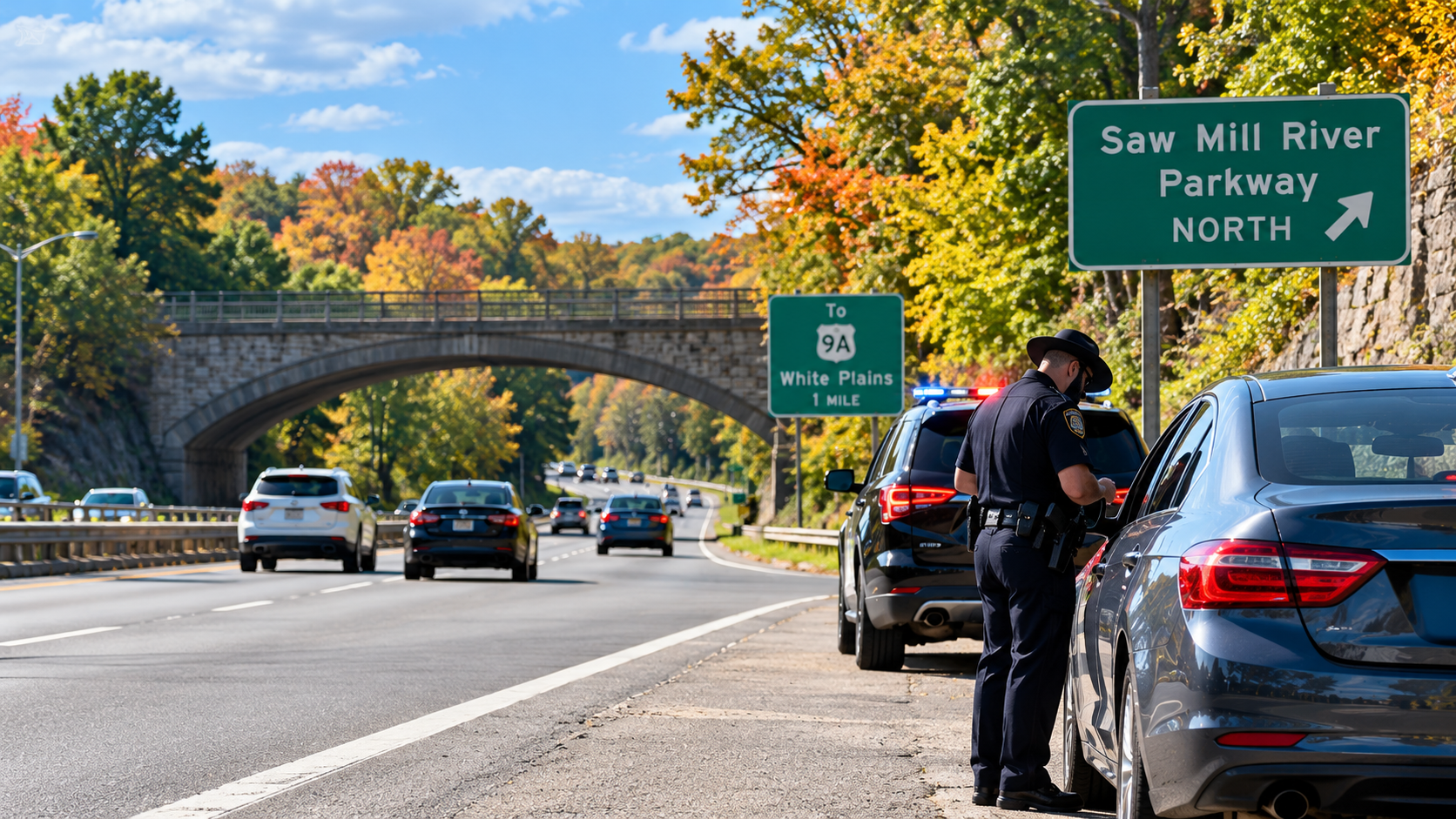
Westchester County Speeding Ticket on Major Parkways and Arterial RoadsA speeding ticket in Westchester County can result in points, fines, and potential insurance consequences, depending on the alleged violation and how the case is resolved.
September 25, 2026
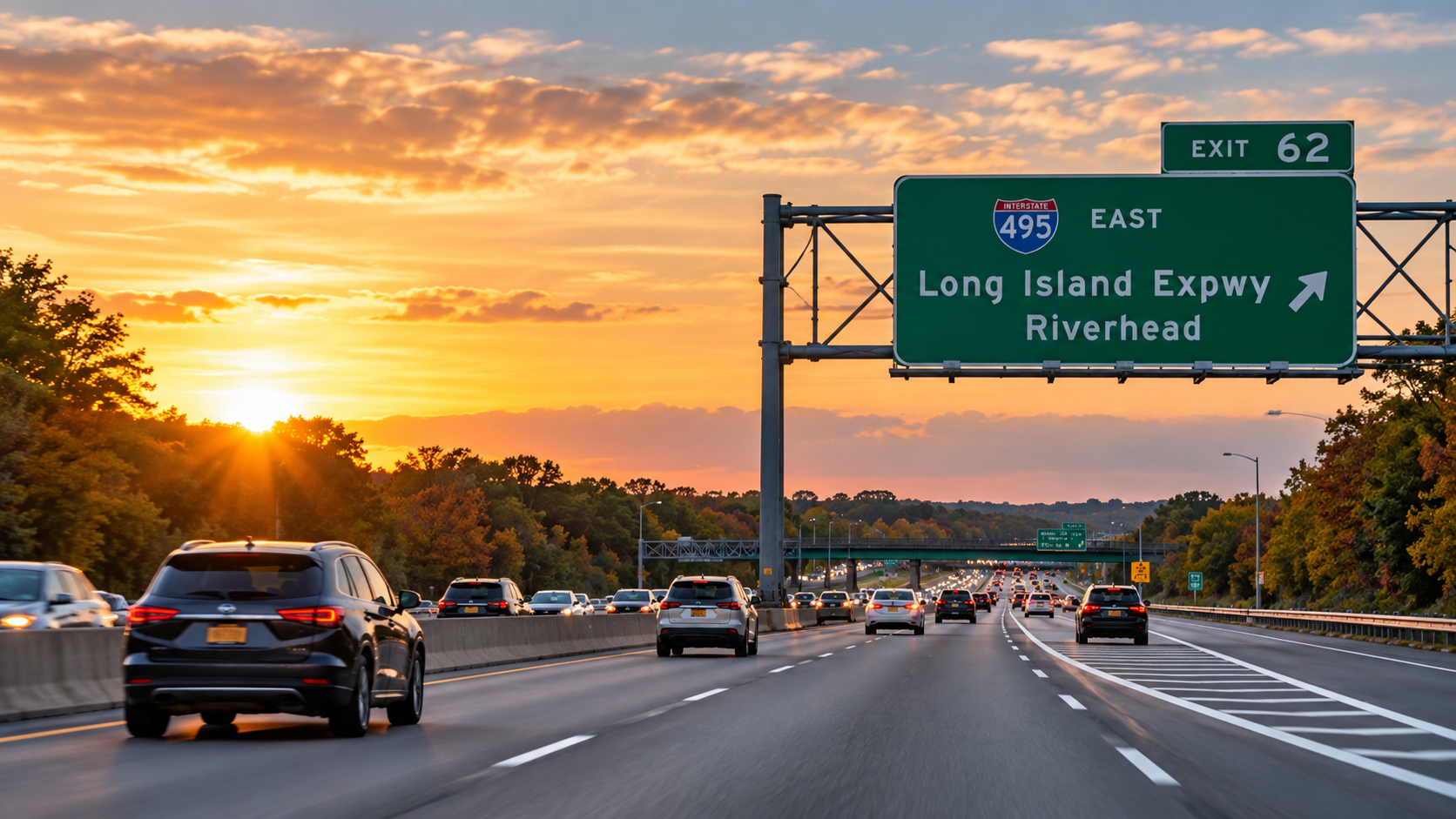
Suffolk County Speeding Ticket on the Long Island Expressway: What Drivers Should KnowA speeding ticket on the Long Island Expressway in Suffolk County can lead to fines, points on your driving record, and potential insurance consequences.

August 24, 2026
Teen Drivers and Junior License Tickets in Suffolk County: What Parents Should KnowParents should understand how junior license restrictions and traffic violations can affect teen drivers, driving privileges, and insurance in Suffolk County.
.jpg)
August 21, 2026
Winter Weather Driving Violations in Westchester: Skidding, Black Ice, and Fault DisputesWinter conditions such as black ice, snow, and slippery roads can lead to skidding, traffic tickets, and disputes over fault after a Westchester County collision.
August 19, 2026
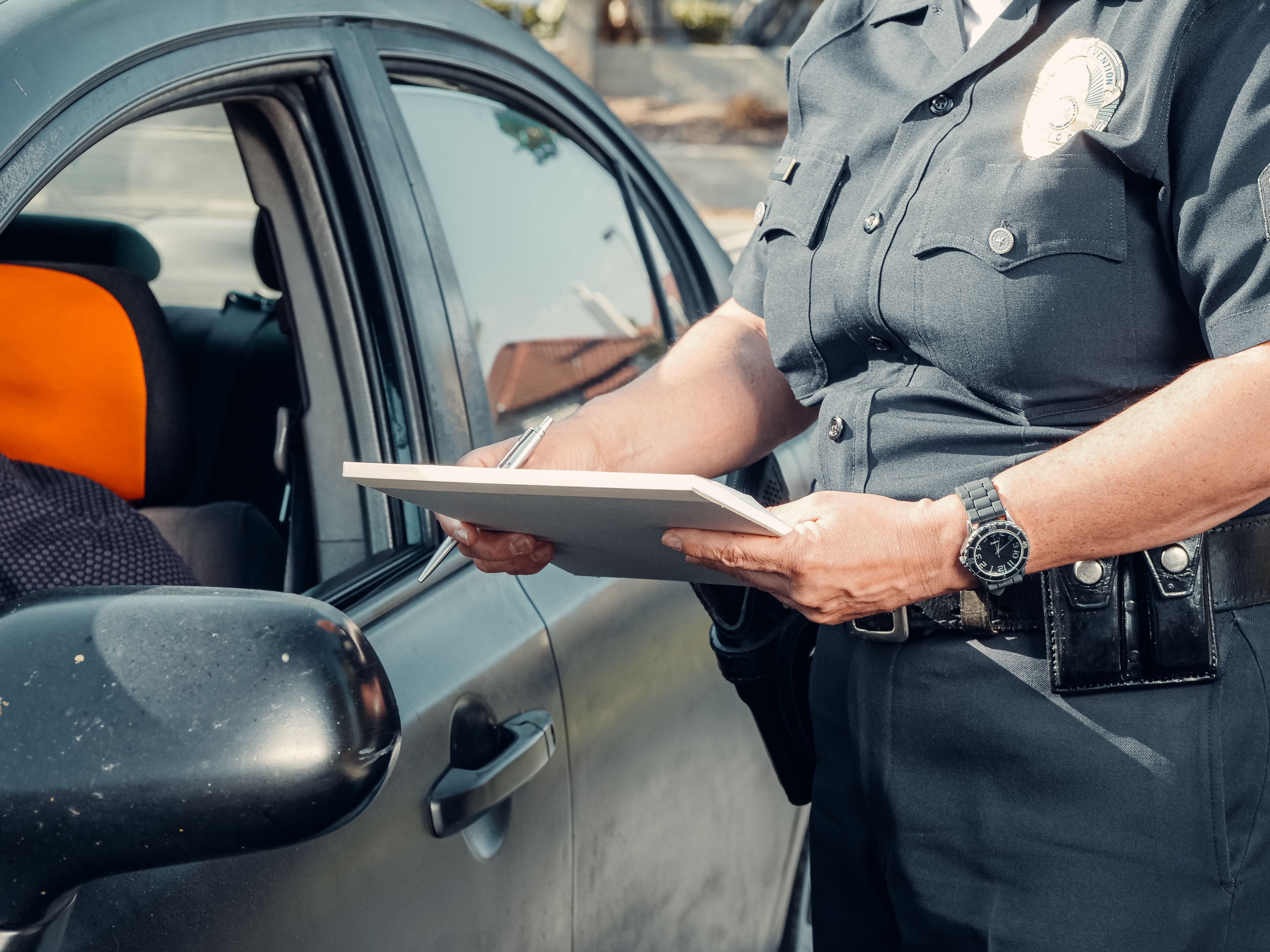
Illegal U-Turns, Unsafe Lane Changes, and Other "Minor" Moving Violations in Nassau CountyIllegal U-turns, unsafe lane changes, and other seemingly minor moving violations in Nassau County can still result in fines, points, insurance consequences, or other penalties, making it important to understand your rights and options after receiving a ticket.