
.svg)

October 14, 2026
Nassau County Speeding Ticket in School Zones and Residential AreasA speeding ticket Nassau County drivers receive in a school zone or residential area can involve more than an ordinary traffic fine.
TL;DR
If you’re facing a traffic ticket in Nassau County, you often have more options than just paying the fine. Smart legal strategies can reduce charges, avoid points, or even lead to dismissal, especially with help from a local traffic attorney.
Getting pulled over is frustrating. Getting cited can be expensive. And realizing that points, insurance hikes, and court costs may follow can make things even worse. If you’ve received a traffic ticket in Nassau County, the good news is that many tickets can be challenged, reduced, or negotiated instead of simply accepted.
This guide breaks down the most effective legal strategies drivers use to protect their records and when it makes sense to get professional help.
Most drivers in Long Island receive a Nassau County uniform traffic ticket, which serves as both the citation and your official notice to respond. This document lists:
Many people make the mistake of treating this like a parking ticket. It’s not. This is a court matter, and how you respond can affect your license, insurance, and driving record for years.
Paying a Nassau County traffic ticket is the same as pleading guilty. That usually means:
Even violations that seem minor, like a red light or speeding ticket, can have long-term financial consequences. For example, the Nassau County red light ticket cost isn’t just the base fine; it often includes fees and potential insurance increases that add up over time.
Pleading not guilty preserves your ability to negotiate or fight the charge.
Traffic cases are still legal cases. That means the officer and the court must follow proper procedures. A Nassau County traffic court lawyer will often review:
If the prosecution can’t meet its burden, the case may be dismissed or reduced.
One of the most common and effective strategies is plea negotiation. Instead of fighting for a full dismissal, your attorney may aim to:
This is especially useful if the evidence is strong, but your driving record is otherwise clean. In many cases, the goal isn’t just to pay less, it’s to protect your record.
Courts often consider your prior driving record. If you don’t have a history of violations, that can work in your favor during negotiations. Judges and prosecutors may be more open to:
On the other hand, if you have prior offenses, a lawyer can still help limit the damage by targeting the most serious consequences first.
A Nassau County traffic court lawyer knows how the local courts operate, what arguments tend to work, and how different judges and prosecutors handle cases. They can:
For many drivers, this saves time, stress, and often more money in the long run than simply paying the ticket.
Ignoring a traffic ticket in Nassau County can lead to:
In short, doing nothing is almost always the worst option.
For official information on New York traffic violations, points, and procedures, you can consult the New York State DMV. This is a reliable authority source for understanding how New York handles traffic tickets and driving records.
Not every ticket can be magically erased, but many can be improved, reduced, or negotiated in ways that protect your license and your wallet. If you’re dealing with a traffic ticket in Nassau County, thinking strategically instead of emotionally can make a real difference in the outcome.
Yes, in some cases. If there are procedural errors, weak evidence, or issues with the officer’s testimony, a dismissal may be possible.
Paying is a guilty plea. Fighting or negotiating the ticket can help you avoid points and higher insurance costs, which often saves money long-term.
In many cases, a Nassau County traffic court lawyer can appear on your behalf, especially for routine traffic violations.
That depends on the violation, but points and convictions can affect your record and insurance for several years.
The main benefit is protecting your driving record—reducing or avoiding points and minimizing insurance increases, not just lowering the fine.
October 14, 2026
Nassau County Speeding Ticket in School Zones and Residential AreasA speeding ticket Nassau County drivers receive in a school zone or residential area can involve more than an ordinary traffic fine.
October 2, 2026
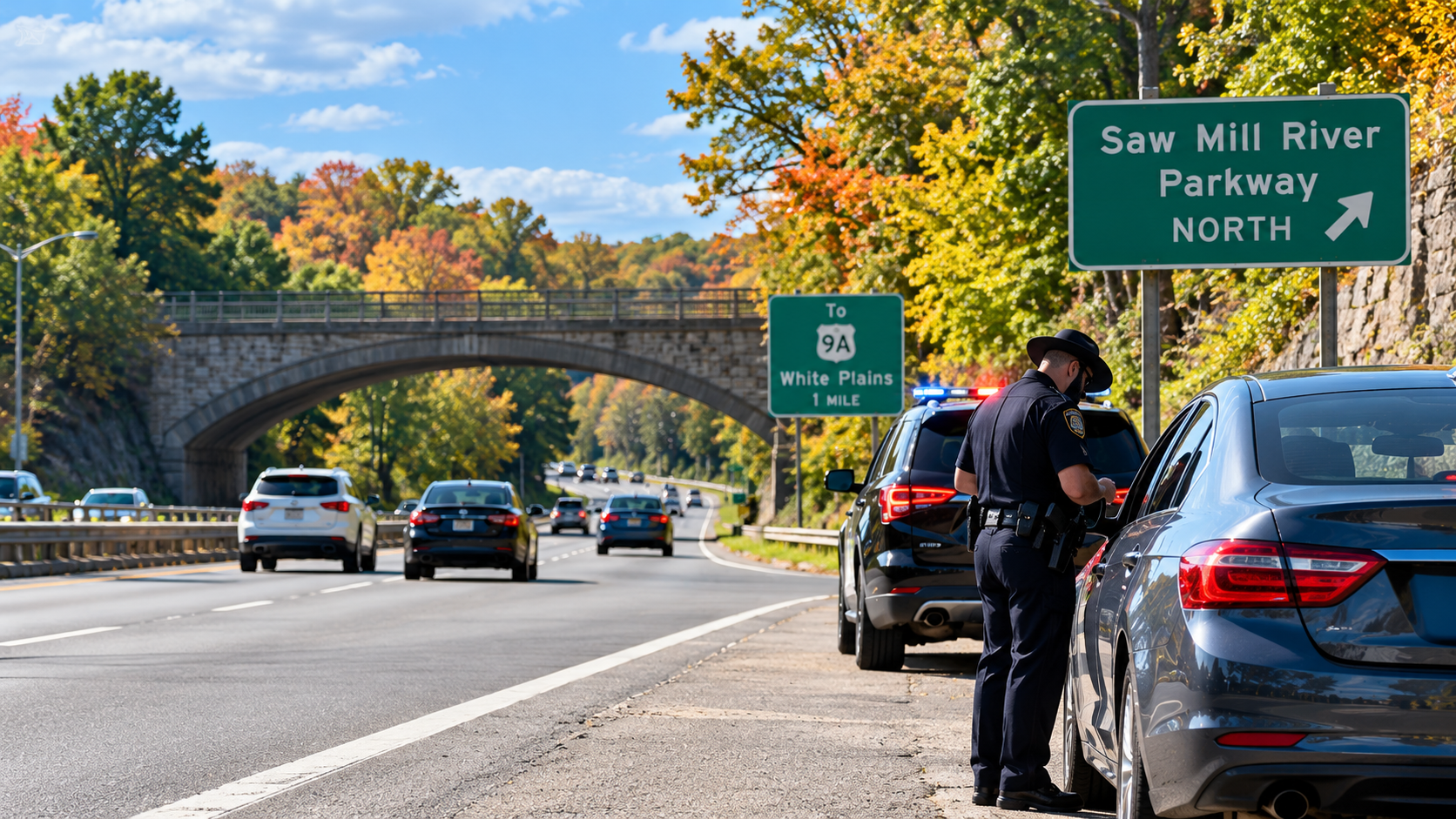
Westchester County Speeding Ticket on Major Parkways and Arterial RoadsA speeding ticket in Westchester County can result in points, fines, and potential insurance consequences, depending on the alleged violation and how the case is resolved.
September 25, 2026
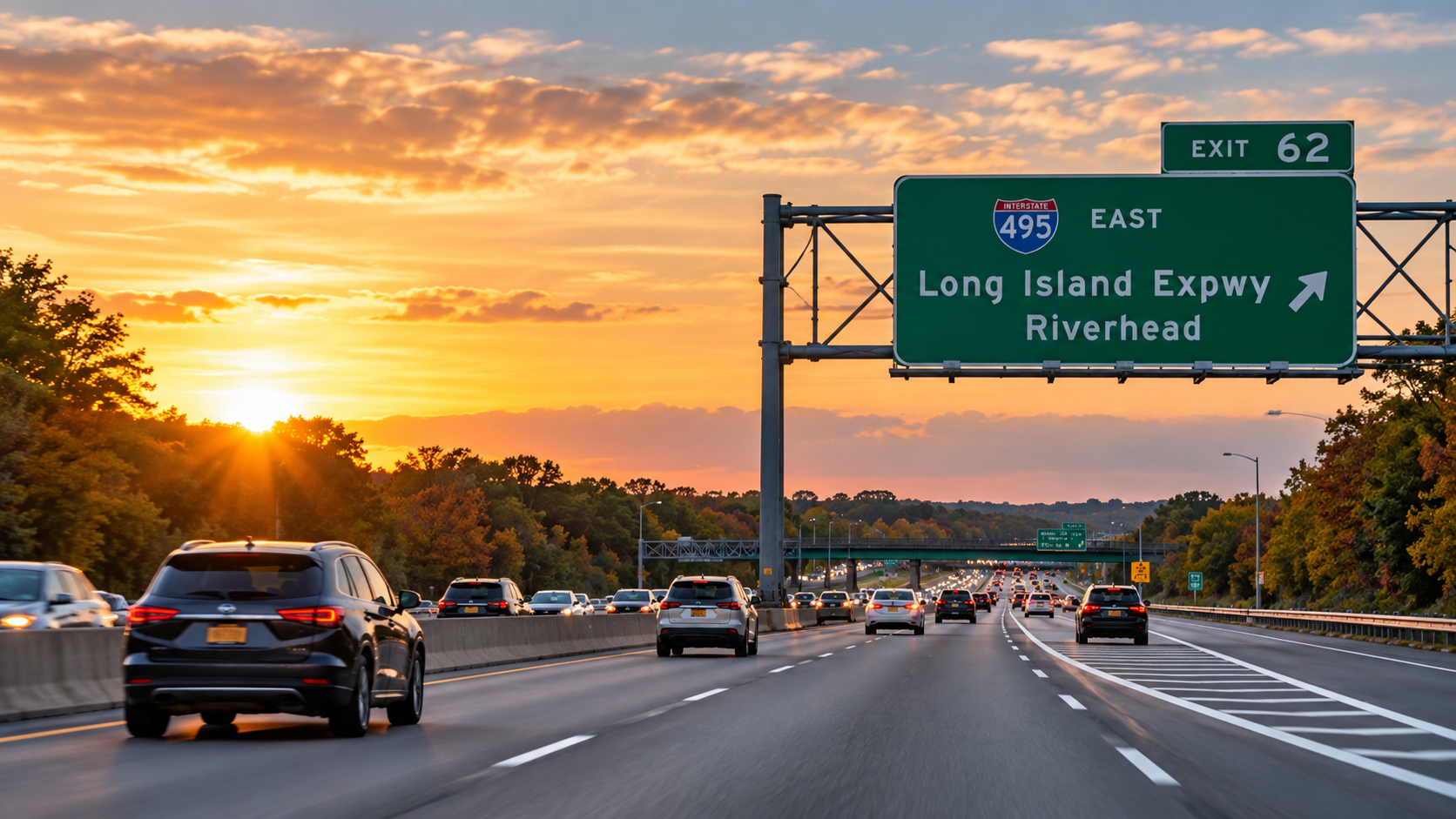
Suffolk County Speeding Ticket on the Long Island Expressway: What Drivers Should KnowA speeding ticket on the Long Island Expressway in Suffolk County can lead to fines, points on your driving record, and potential insurance consequences.

August 24, 2026
Teen Drivers and Junior License Tickets in Suffolk County: What Parents Should KnowParents should understand how junior license restrictions and traffic violations can affect teen drivers, driving privileges, and insurance in Suffolk County.
.jpg)
August 21, 2026
Winter Weather Driving Violations in Westchester: Skidding, Black Ice, and Fault DisputesWinter conditions such as black ice, snow, and slippery roads can lead to skidding, traffic tickets, and disputes over fault after a Westchester County collision.
August 19, 2026
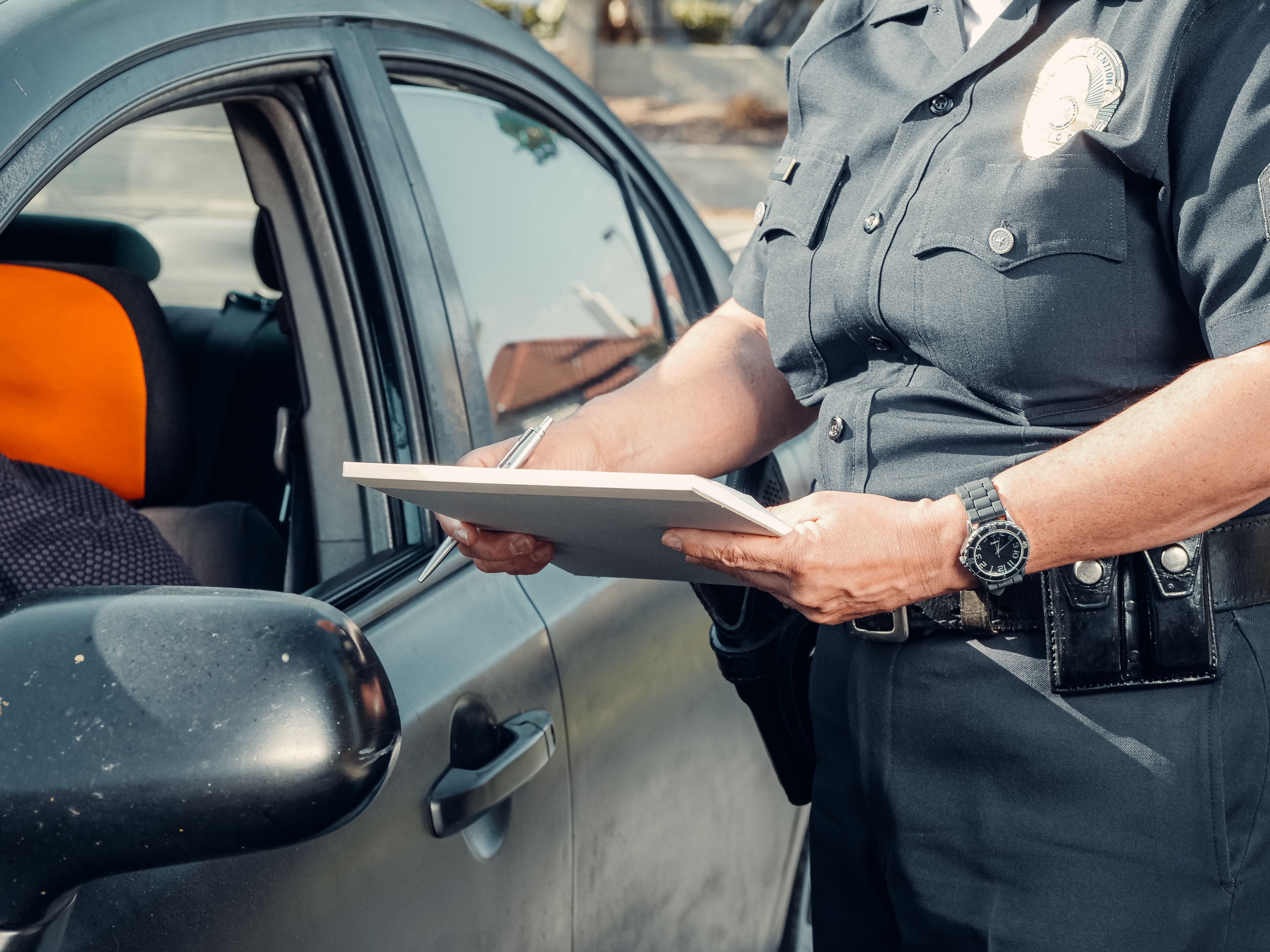
Illegal U-Turns, Unsafe Lane Changes, and Other "Minor" Moving Violations in Nassau CountyIllegal U-turns, unsafe lane changes, and other seemingly minor moving violations in Nassau County can still result in fines, points, insurance consequences, or other penalties, making it important to understand your rights and options after receiving a ticket.