
.svg)

October 14, 2026
Nassau County Speeding Ticket in School Zones and Residential AreasA speeding ticket Nassau County drivers receive in a school zone or residential area can involve more than an ordinary traffic fine.
When most drivers think of a traffic ticket in Nassau County, they picture a speeding citation or a red light camera notice. But a large share of the tickets issued across Nassau County every year fall into a quieter, less-discussed category: so-called "minor" moving violations. Illegal U-turns, unsafe lane changes, failure to signal, following too closely, and improper turns rarely make headlines, and many drivers assume they're not worth fighting. That assumption can be costly.
These violations may seem small compared to a DWI or a reckless driving charge, but they carry real consequences points on your license, increased insurance premiums, and in some cases, the foundation for more serious charges if they're tied to an accident. Understanding how Nassau County treats these tickets and why they're often more defensible than drivers realize, can save you money and protect your driving record.
New York's Vehicle and Traffic Law covers a wide range of driving behaviors that don't involve excessive speed or impairment but still constitute violations. In Nassau County, some of the most commonly issued minor moving violations include:
Individually, each of these might sound trivial. But under New York's Driver Violation Point System, most of them carry real point values and points add up quickly.
Here's what many Nassau County drivers don't realize until it's too late: most of these traffic ticket violations carry between 2 and 4 points on your license. An illegal U-turn, for example, typically carries 2 points. An unsafe lane change can carry 3 points. That may not sound like much, but the DMV's rules changed in ways that make these points far more dangerous than they used to be.
As of February 2026, New York tightened the Driver Violation Point System considerably. Points now stay active on your record for 24 months instead of 18, meaning past violations linger longer and are more likely to stack with a new "minor" ticket. At the same time, the suspension threshold dropped: your license can now be suspended with just 10 points in that 24-month window, down from the previous 11. A driver who picks up an unsafe lane change ticket (3 points) after already having a speeding conviction (now a minimum of 4 points under the 2026 rules) is closer to that threshold than they might think.
Beyond the point system, insurance companies treat these violations seriously. A single moving violation conviction can raise premiums by a noticeable percentage, and that increase typically stays on your policy for three to five years. Multiply that across a full policy term, and a ticket that seemed like a $150 fine can end up costing well over $1,000 in additional premiums.
There's also a hidden fee most drivers don't see coming: the Driver Responsibility Assessment (DRA). If you accumulate 6 or more points within 18 months, the DMV imposes a mandatory $300 fee, billed at $100 per year for three years, with an additional $75 tacked on for every point beyond six. Failing to pay it triggers an automatic license suspension — even if the underlying court fine was paid in full. A couple of "minor" convictions in the same year can push a driver into DRA territory faster than they'd expect.
One of the most overlooked aspects of illegal U-turn and unsafe lane change traffic tickets is how much they depend on an officer's subjective judgment call, made in a matter of seconds from a moving or stationary vehicle. Unlike a radar-clocked speeding ticket, there's often no hard instrument reading behind the citation, just an officer's observation and interpretation of what happened.
That creates real opportunities for a defense. Common issues that arise in these cases include:
None of this means every ticket can be beaten. But it does mean that pleading guilty by mail which many drivers do simply to avoid a trip to traffic court often means giving up a winnable case without a fight.
Most moving violations issued by Nassau County Police or NY State Troopers are returnable to the Nassau County Traffic and Parking Violations Agency (NCTPVA), now located at 801 Axinn Avenue, Garden City. Unlike New York City's Traffic Violations Bureau, the NCTPVA, along with Nassau's Village Justice Courts, such as Old Westbury or Hempstead allows for plea bargaining. That distinction matters enormously for a ticket like an illegal U-turn or unsafe lane change.
In many cases, an experienced traffic attorney can negotiate a high-point moving violation down to a non-moving violation, such as VTL § 1201-a (Parking), which carries zero points. This is often the more realistic and valuable goal than fighting for an outright dismissal, and it's a strategy that's very difficult for drivers to pursue on their own without familiarity with how the NCTPVA and local Village Justice Courts typically resolve these charges.
Illegal U-turns, unsafe lane changes, and similar violations may be labeled "minor" by drivers, but the DMV, insurance companies, and even the courts don't treat them that way once points and premiums are involved. Any traffic ticket in Nassau County no matter how small it looks deserves a second look before you pay it by mail, which is an automatic guilty plea. It's worth understanding what's actually at stake and what your options are.
If you've received a citation for an illegal U-turn, unsafe lane change, or any other moving violation in Nassau County, don't assume it's not worth fighting especially under the DMV's tighter 2026 point rules. Contact our Nassau County traffic ticket attorneys today for a case review you may be able to avoid points, protect your insurance rate, and resolve the matter without ever setting foot in a courtroom.
An illegal U-turn typically carries 2 points under the DMV's Driver Violation Point System, though the exact value can depend on the specific charge and location.
In most cases, yes. Insurance companies generally view any moving violation conviction as a rating factor, and premiums often increase for three to five years following the conviction.
You can, but doing so is treated as an automatic guilty plea. It puts points on your license and closes the door on negotiating a reduction, even if the ticket had real weaknesses.
Most are returnable to the Nassau County Traffic and Parking Violations Agency (NCTPVA), now located at 801 Axinn Avenue, Garden City, or to one of Nassau's Village Justice Courts. Both allow for plea bargaining, unlike the NYC Traffic Violations Bureau.
Often, yes. Because these tickets frequently hinge on an officer's subjective observation, an attorney familiar with the NCTPVA's plea bargaining process may be able to negotiate a reduction to a zero-point, non-moving violation which matters even more now that the DMV's suspension threshold has dropped to 10 points in 24 months.
October 14, 2026
Nassau County Speeding Ticket in School Zones and Residential AreasA speeding ticket Nassau County drivers receive in a school zone or residential area can involve more than an ordinary traffic fine.
October 2, 2026
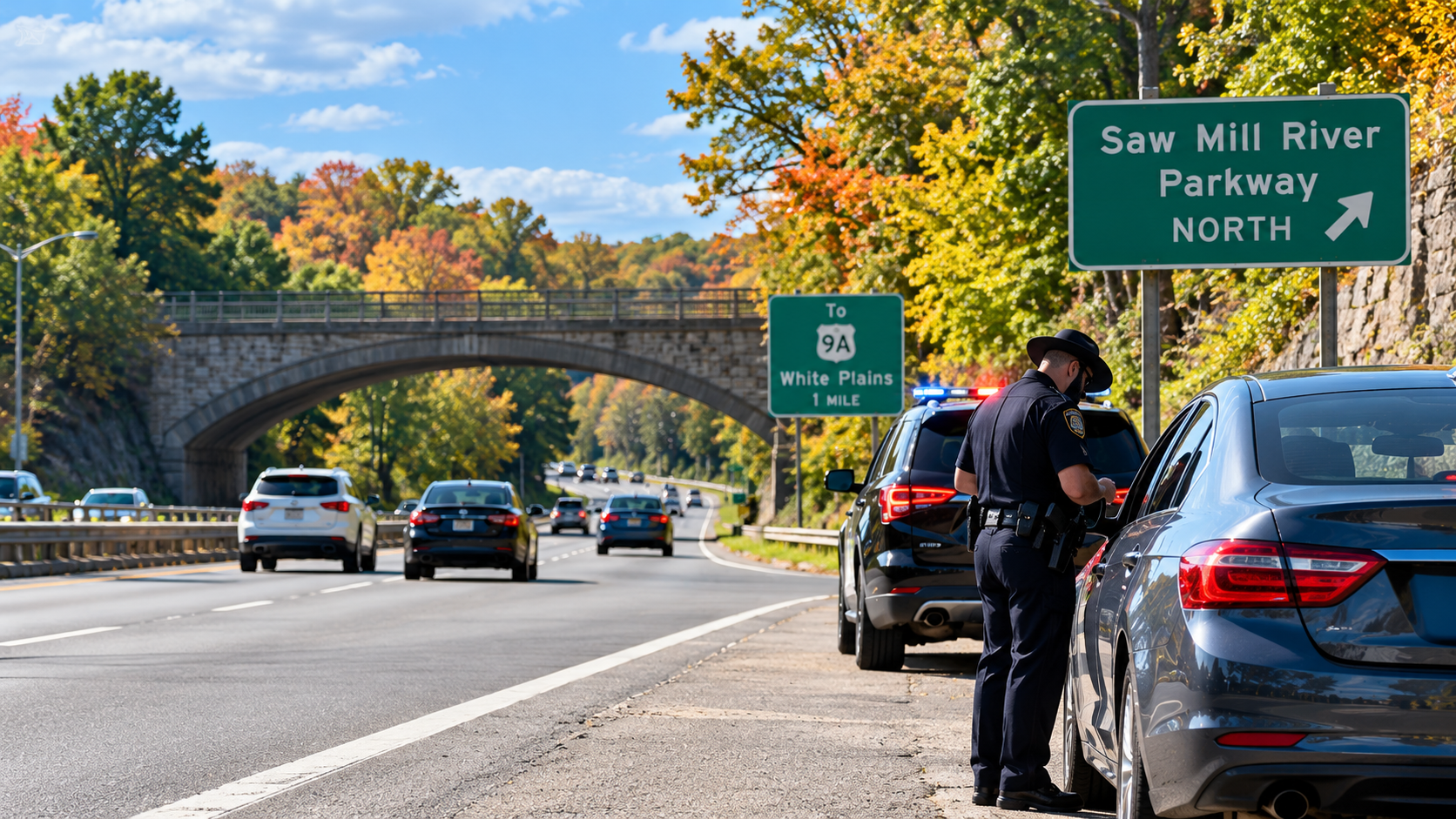
Westchester County Speeding Ticket on Major Parkways and Arterial RoadsA speeding ticket in Westchester County can result in points, fines, and potential insurance consequences, depending on the alleged violation and how the case is resolved.
September 25, 2026
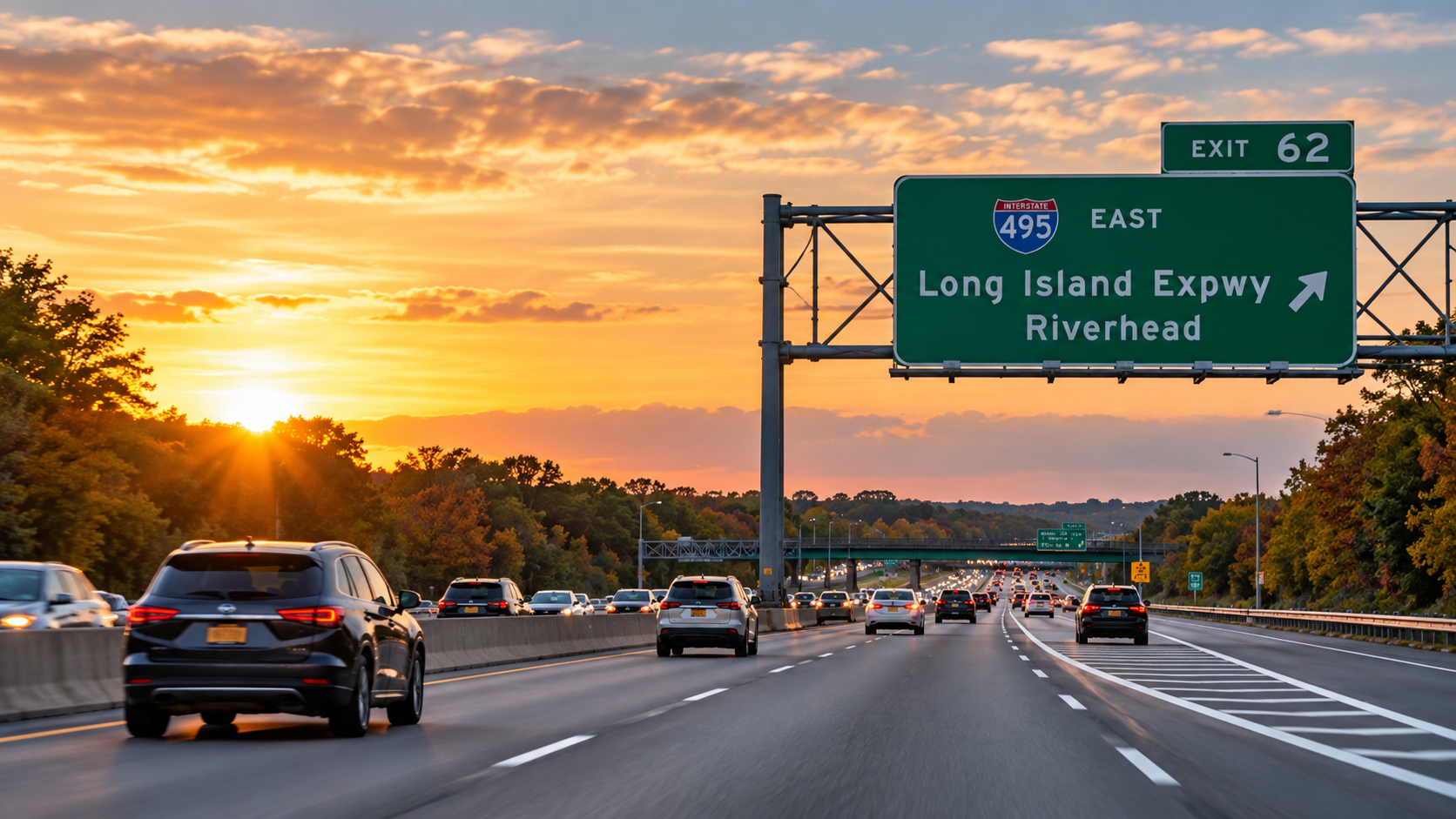
Suffolk County Speeding Ticket on the Long Island Expressway: What Drivers Should KnowA speeding ticket on the Long Island Expressway in Suffolk County can lead to fines, points on your driving record, and potential insurance consequences.

August 24, 2026
Teen Drivers and Junior License Tickets in Suffolk County: What Parents Should KnowParents should understand how junior license restrictions and traffic violations can affect teen drivers, driving privileges, and insurance in Suffolk County.
.jpg)
August 21, 2026
Winter Weather Driving Violations in Westchester: Skidding, Black Ice, and Fault DisputesWinter conditions such as black ice, snow, and slippery roads can lead to skidding, traffic tickets, and disputes over fault after a Westchester County collision.
August 19, 2026
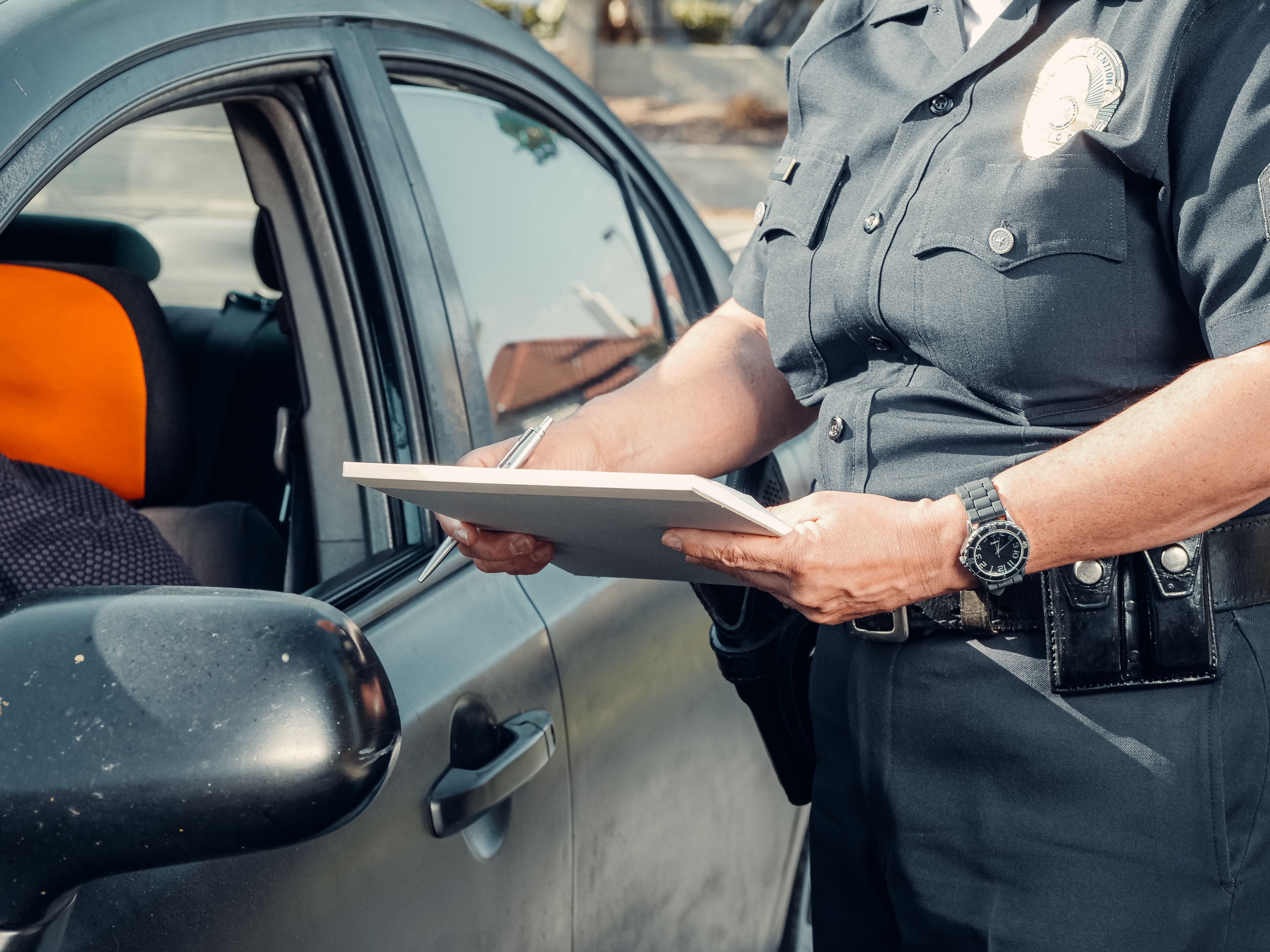
Illegal U-Turns, Unsafe Lane Changes, and Other "Minor" Moving Violations in Nassau CountyIllegal U-turns, unsafe lane changes, and other seemingly minor moving violations in Nassau County can still result in fines, points, insurance consequences, or other penalties, making it important to understand your rights and options after receiving a ticket.