
.svg)

October 14, 2026
Nassau County Speeding Ticket in School Zones and Residential AreasA speeding ticket Nassau County drivers receive in a school zone or residential area can involve more than an ordinary traffic fine.
For most families, a teenager getting their license is a milestone worth celebrating. But in Suffolk County, that milestone comes with a set of legal restrictions many parents don't fully understand until a citation shows up, and by then, the consequences can already be in motion. New York's Graduated Driver License (GDL) system places real limits on what junior license holders can do behind the wheel, and a violation of those limits isn't treated as a minor slip-up. It's a traffic ticket in Suffolk that can affect a teen's license, a family's insurance premiums, and in some cases, the parent's own legal exposure.
Because junior and senior license holders under 18 are held to a stricter standard than adult drivers, even a violation that would be routine for an experienced driver can carry outsized consequences for a teenager. Understanding how these rules work and what options exist if a ticket is issued puts parents in a much stronger position than finding out for the first time in traffic court.
New York uses a tiered licensing structure for drivers under 18. A junior learner permit allows supervised driving only. A junior license, available at 16 in most of the state (17 in New York City), allows unsupervised driving but with significant restrictions. Outside New York City, which includes Suffolk County, junior license holders are generally restricted from:
A senior license, issued at 17 with a completed driver education course (or 18 without one), removes most of these restrictions, but a driver who violates junior license conditions before reaching that stage faces consequences that go beyond a standard moving violation ticket.
When a teen driver is stopped in Suffolk County, an officer can issue two categories of citations that don't apply to adult drivers: the underlying violation itself (speeding, an illegal turn, etc.) and, separately, a violation of junior license restrictions if the stop reveals the teen was driving outside the permitted hours, with too many passengers, or in another restricted manner.
This matters because New York's point system treats junior drivers the same way it treats adult drivers for standard violations, but junior license holders face an additional, lower threshold for suspension. Under the current rules, a junior license can be suspended once a driver accumulates enough points within 18 months, and certain violations, including reckless driving or excessive speeding, can result in a more immediate suspension regardless of the driver's total point count. Because teens have far less accumulated driving history to offset a single conviction, one serious ticket can have a proportionally larger impact than it would for an adult with years of a clean record behind them.
It's tempting to treat a junior license ticket as a learning experience and simply pay the fine. But doing so is an automatic guilty plea, and for a teen driver, that plea can carry consequences well beyond the ticket itself:
Insurance impact is often more severe for teen drivers. Insurers already price teen drivers as higher risk. A conviction on a junior driver's record, even for something as ordinary as an unsafe lane change, frequently produces a larger percentage increase than the same conviction would for an adult, and that increase applies to the family policy, not just a hypothetical future policy in the teen's name.
A suspended junior license delays the path to a senior license. Time spent suspended doesn't advance a teen toward the eligibility requirements for a senior, unrestricted license, effectively extending the entire junior license period.
Multiple violations can trigger a more serious DMV review. A pattern of tickets, even several relatively minor ones, can lead the DMV to take a harder look at a young driver's record than it would for a single isolated incident.
Junior license violations and the underlying tickets that come with them are not automatically indefensible. Common issues that arise include:
Whether the restriction actually applied. Some junior license restrictions have exceptions, such as driving to and from work, a school-sanctioned event, or with a supervising adult present, for example. If the teen was covered by an exception, that's a defense to the restriction violation itself.
Accuracy of the underlying stop. The same defenses available to adult drivers questioning an officer's basis for a stop, the accuracy of a speed measurement, or the specificity of the citation apply equally to a teen driver's underlying ticket.
Passenger count and identity disputes. Passenger restriction violations depend on the relationship between the driver and passengers (family versus non-family) and their ages, which are sometimes assumed rather than confirmed by the officer at the time of the stop.
Unlike Nassau County's centralized Traffic and Parking Violations Agency, most Suffolk County traffic tickets, including those involving junior license holders are handled through the local town or village justice court where the ticket was issued. Suffolk's individual justice courts vary in their willingness to negotiate and how they handle cases involving minors, which makes local familiarity especially valuable when a teen's license and a family's insurance rate, are both on the line.
A traffic ticket in Suffolk County involving a teen driver is rarely as simple as it looks on paper. Between junior license restrictions, a lower tolerance for points, and the insurance consequences that ripple back to the whole family, these tickets deserve more attention than parents often expect to give them.
If your teen has received a citation or a junior license violation in Suffolk County, don't assume paying the fine is the simplest path forward. A traffic ticket attorney in Suffolk County can review the citation, explain what's realistically at stake, and help you understand whether the court handling your teen's case is open to negotiation. Contact us today for a free case review. Protecting your teen's license now can save your family years of higher insurance costs and DMV complications down the road.
Yes, for the underlying violation. But junior license holders can also be cited separately for violating license restrictions like curfew or passenger limits, which don't apply to adult drivers.
In most cases, yes. Teen drivers are typically covered under a parent's policy, so a conviction on the teen's record usually affects the family's premium directly.
It's possible. Certain serious violations, such as reckless driving or excessive speeding, can result in suspension independent of the standard point accumulation threshold.
Not always; there are exceptions for work, school-sponsored activities, and situations where a supervising licensed adult is in the vehicle. Whether an exception applies is often a key issue in these cases.
Paying by mail is a guilty plea and puts points and a conviction on your teen's record. Given the outsized impact these tickets can have on a young driver, it's worth having the ticket reviewed before deciding how to respond.
October 14, 2026
Nassau County Speeding Ticket in School Zones and Residential AreasA speeding ticket Nassau County drivers receive in a school zone or residential area can involve more than an ordinary traffic fine.
October 2, 2026
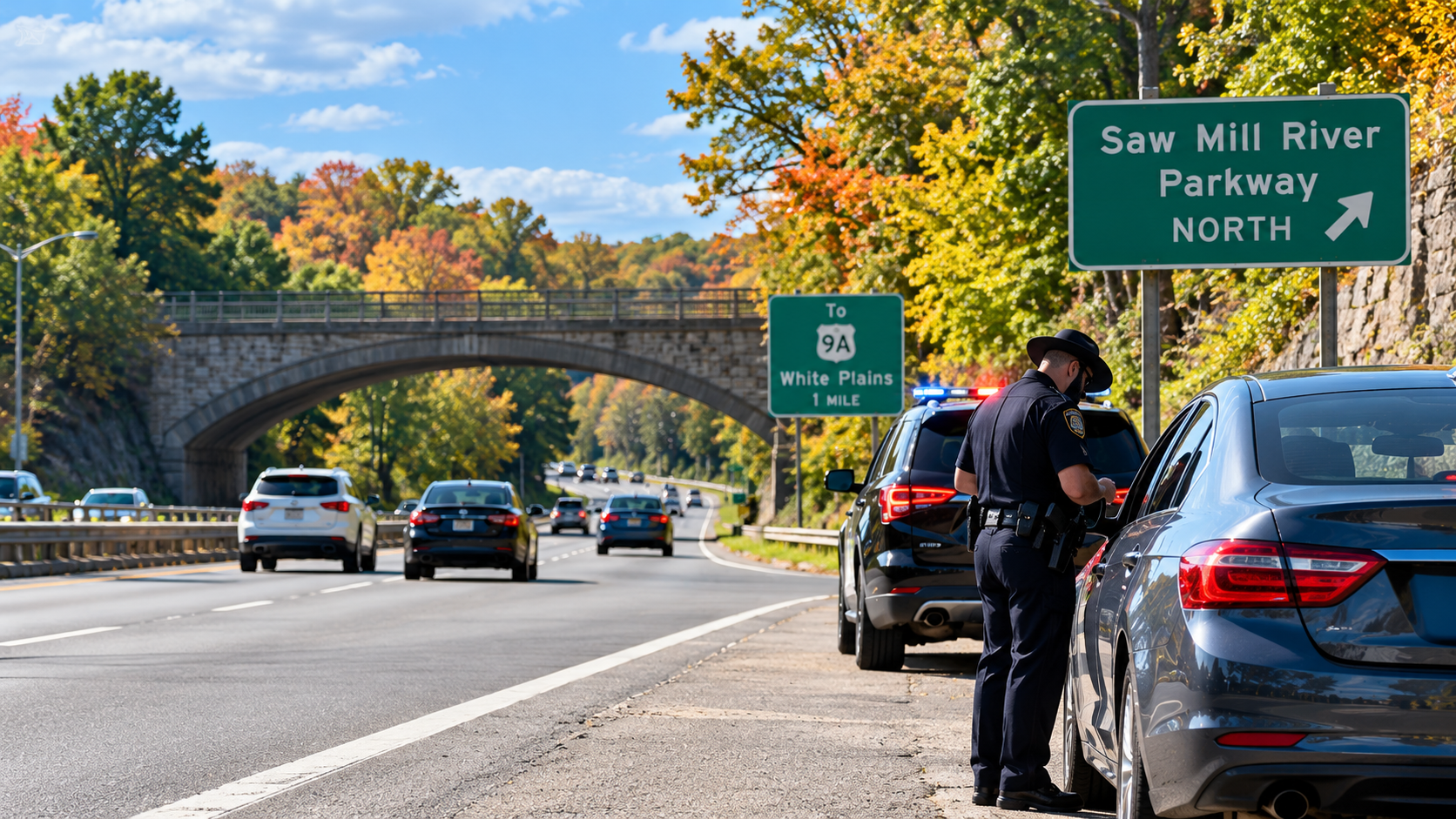
Westchester County Speeding Ticket on Major Parkways and Arterial RoadsA speeding ticket in Westchester County can result in points, fines, and potential insurance consequences, depending on the alleged violation and how the case is resolved.
September 25, 2026
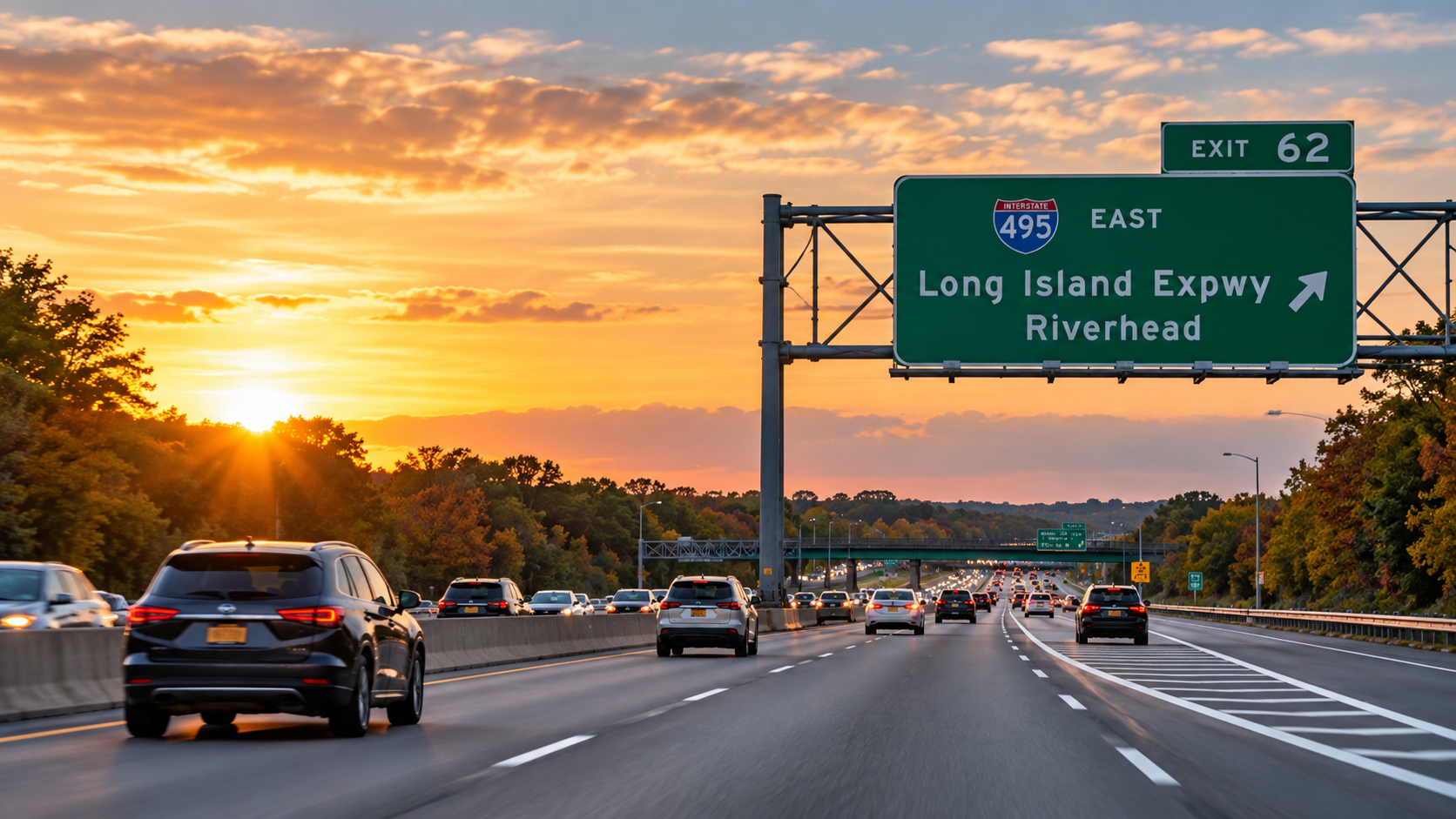
Suffolk County Speeding Ticket on the Long Island Expressway: What Drivers Should KnowA speeding ticket on the Long Island Expressway in Suffolk County can lead to fines, points on your driving record, and potential insurance consequences.

August 24, 2026
Teen Drivers and Junior License Tickets in Suffolk County: What Parents Should KnowParents should understand how junior license restrictions and traffic violations can affect teen drivers, driving privileges, and insurance in Suffolk County.
.jpg)
August 21, 2026
Winter Weather Driving Violations in Westchester: Skidding, Black Ice, and Fault DisputesWinter conditions such as black ice, snow, and slippery roads can lead to skidding, traffic tickets, and disputes over fault after a Westchester County collision.
August 19, 2026
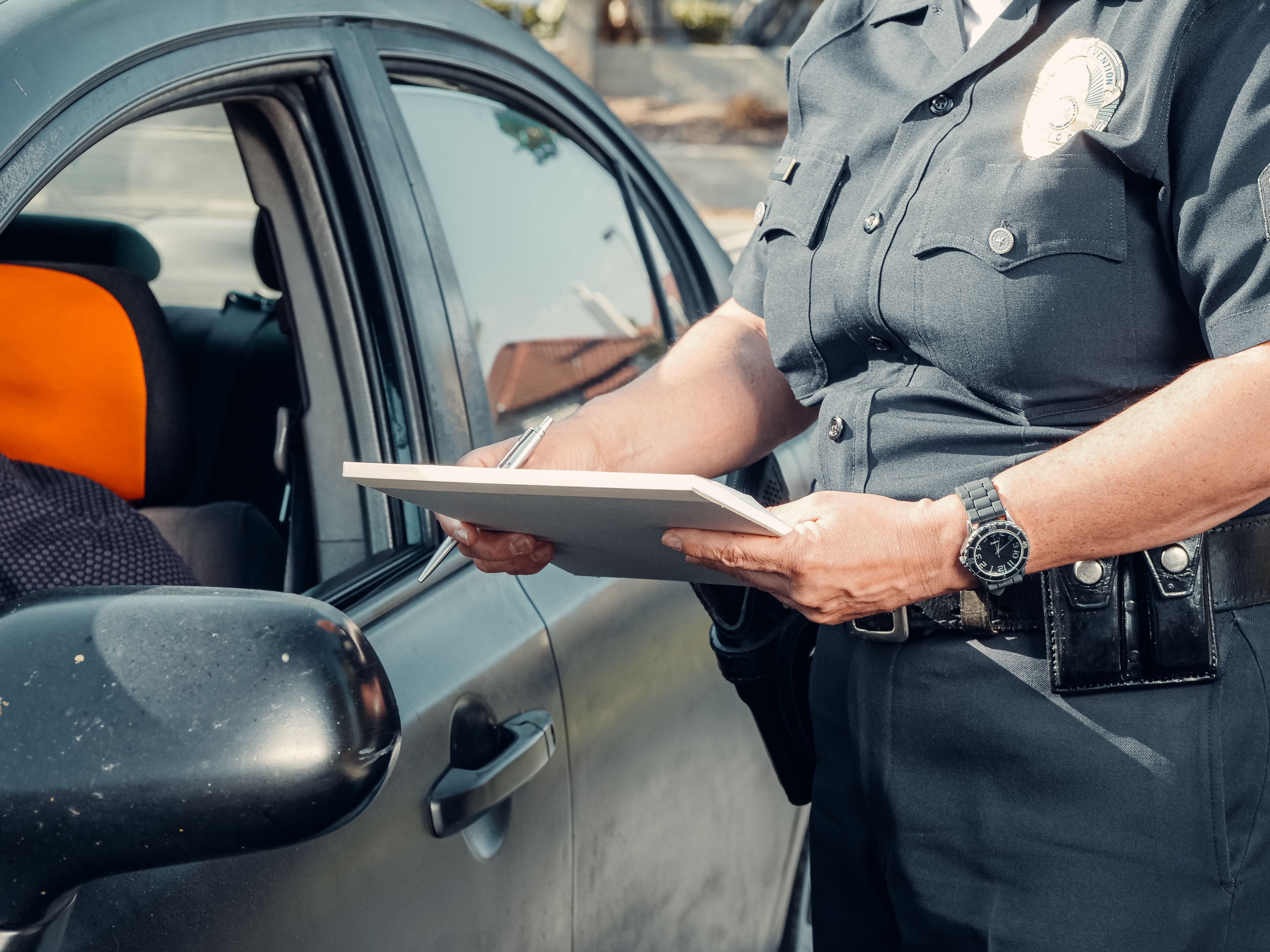
Illegal U-Turns, Unsafe Lane Changes, and Other "Minor" Moving Violations in Nassau CountyIllegal U-turns, unsafe lane changes, and other seemingly minor moving violations in Nassau County can still result in fines, points, insurance consequences, or other penalties, making it important to understand your rights and options after receiving a ticket.