
.svg)

October 14, 2026
Nassau County Speeding Ticket in School Zones and Residential AreasA speeding ticket Nassau County drivers receive in a school zone or residential area can involve more than an ordinary traffic fine.
Every winter, Westchester County's hills, parkways, and shaded back roads turn into some of the most unpredictable driving conditions in the region. Between the Taconic State Parkway, the Saw Mill River Parkway, and the Hutchinson River Parkway, drivers face sharp curves, sudden elevation changes, and patches of black ice that can appear without warning even when the roads look clear. When a skid turns into a collision, or an officer decides a driver was going too fast for conditions, the result is often a traffic ticket in Westchester County that can carry more weight than drivers expect.
Winter-related traffic tickets sit in a strange gray area. Unlike a radar-clocked speeding ticket, these citations are almost always built on an officer's judgment call about what a "reasonable" speed or following distance looked like on a snowy or icy road. That subjectivity creates real legal issues and real opportunities for a defense that many drivers never explore before pleading guilty.
New York's Vehicle and Traffic Law doesn't have a specific "skidding" violation. Instead, officers typically charge winter-weather incidents under broader statutes that apply year-round but get used heavily once the temperature drops:
Each of these carries DMV points, and, in New York's current point system, points now remain on your record for 24 months and can trigger a license suspension once you reach 10 points in that window. A single winter-weather ticket rarely gets a driver anywhere close to that threshold on its own, but stacked with an earlier violation, it can matter more than drivers assume.
One of the most important things to understand about winter driving citations is that losing control of a vehicle is not, by itself, proof of a violation. New York law requires the prosecution to show that a driver failed to exercise reasonable care under the circumstances, not simply that an accident happened. Several factors can break that chain of fault entirely:
Westchester County traffic tickets are handled differently depending on where the ticket was issued. Outside of a few centralized courts, most tickets are returned to the local town, village, or city justice court where the citation was written.
Busy jurisdictions like Harrison, Port Chester, Greenburgh, and Mamaroneck each run their own calendars and have their own tendencies. Some of these courts have a prosecutor present and allow negotiation; others do not, which narrows a driver's options to either fighting the ticket at trial or accepting the charge as written.
This is a meaningful difference from Nassau County, where the Traffic and Parking Violations Agency and Village Justice Courts generally allow plea bargaining as a matter of course. In Westchester, knowing which court a ticket is returnable to and whether that court negotiates winter-weather charges often shapes the entire strategy before a single argument is made about black ice or road conditions.
If you're issued a citation after skidding, sliding, or being involved in a winter-weather collision in Westchester County, a few steps can protect your position:
A skid on an icy road doesn't automatically mean a driver did something wrong, but that distinction rarely comes through if a ticket is simply paid by mail. Because winter-weather charges depend so heavily on an officer's interpretation of "reasonable" driving, and because Westchester's courts handle these cases differently from town to town, understanding your specific court and the facts behind your citation matters more than it does with a straightforward speeding ticket.
If you've received a traffic ticket in Westchester County after a weather-related incident, don't assume the citation is the final word. Speaking with a traffic ticket attorney in Westchester before you plead can make the difference between a conviction on your record and a resolution that protects your points, your insurance rate, and your license. Contact our Westchester County traffic ticket attorneys today for a case review; we'll help you understand which court your ticket is headed to, whether negotiation is on the table, and what a realistic defense could look like for your situation.
Yes. Unsafe speed for conditions (VTL § 1180) applies even when a driver is under the posted limit, if an officer determines the speed was still too fast for snow, ice, or visibility at the time.
No. Fault requires a showing that you failed to exercise reasonable care. If the ice was not visible and you were driving at a reasonable speed, that can support a strong defense.
If it results in a conviction, yes. Most moving violation convictions are reported to insurers and can raise premiums for several years, regardless of the weather conditions involved.
It depends on which local court the ticket is returnable to. Some Westchester town and village courts allow plea negotiations; others require either a trial or a guilty plea as charged.
Poor road maintenance can be a relevant factor in disputing fault, particularly on municipally maintained roads where snow removal standards and schedules are documented.
October 14, 2026
Nassau County Speeding Ticket in School Zones and Residential AreasA speeding ticket Nassau County drivers receive in a school zone or residential area can involve more than an ordinary traffic fine.
October 2, 2026
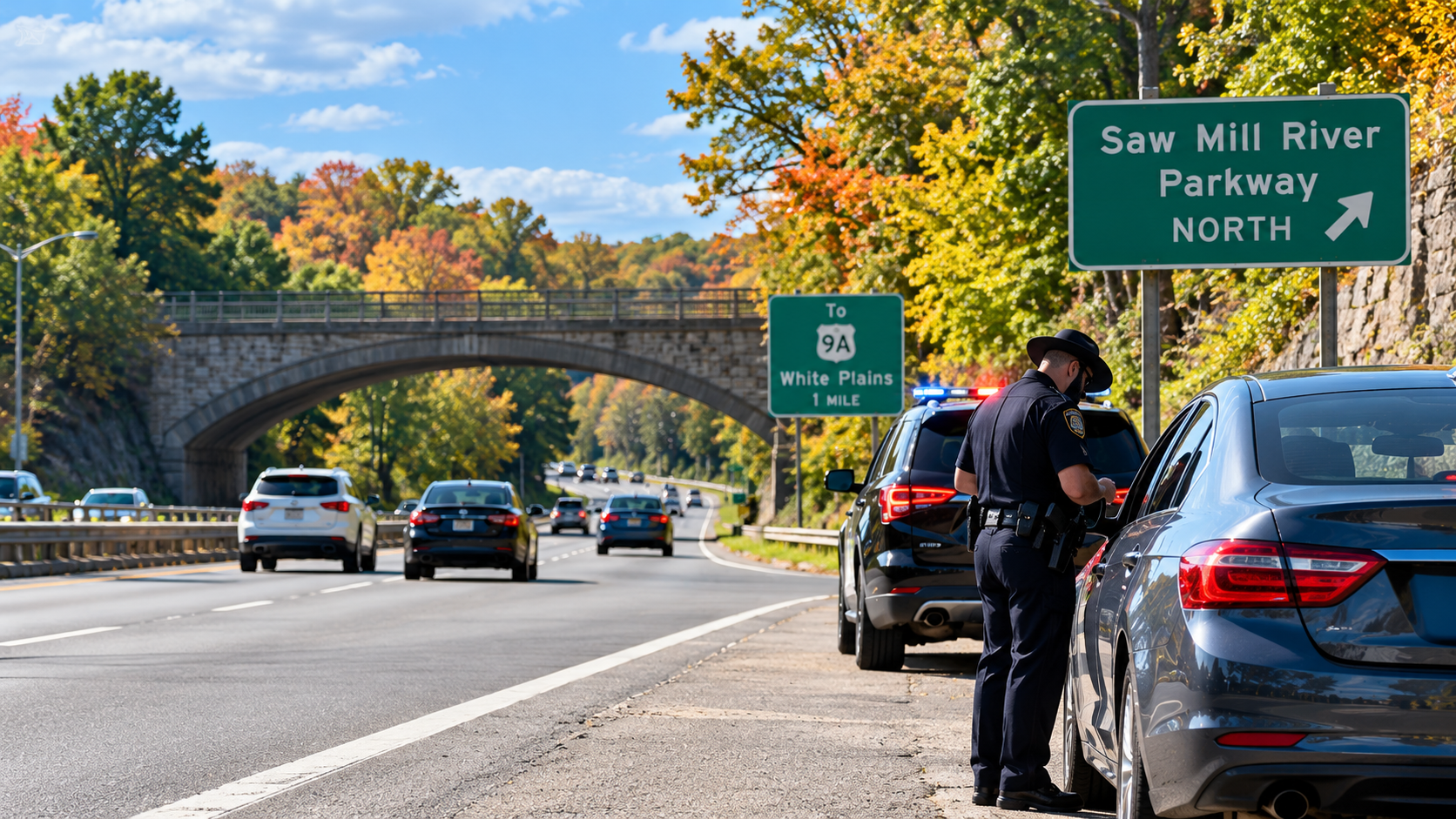
Westchester County Speeding Ticket on Major Parkways and Arterial RoadsA speeding ticket in Westchester County can result in points, fines, and potential insurance consequences, depending on the alleged violation and how the case is resolved.
September 25, 2026
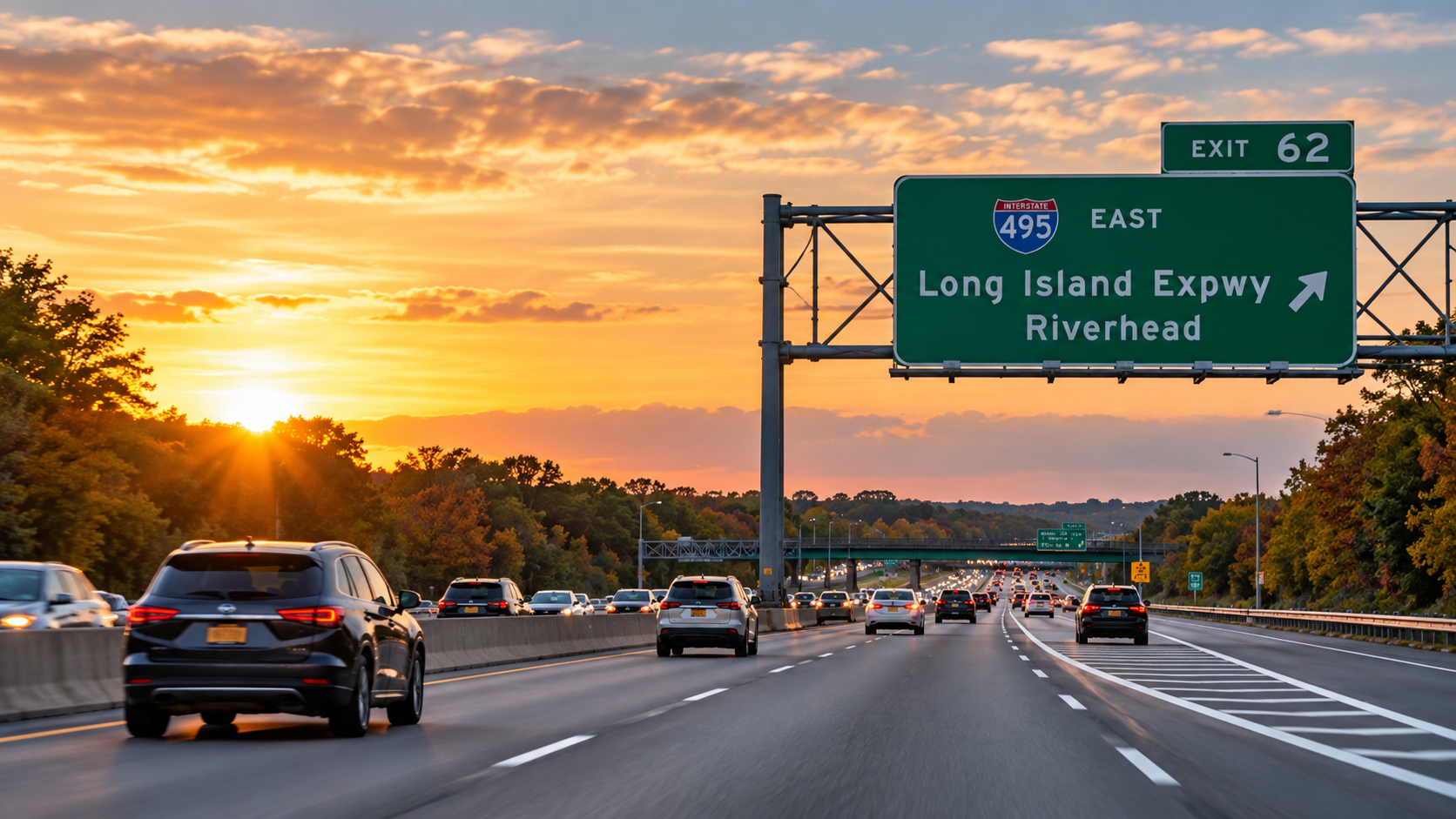
Suffolk County Speeding Ticket on the Long Island Expressway: What Drivers Should KnowA speeding ticket on the Long Island Expressway in Suffolk County can lead to fines, points on your driving record, and potential insurance consequences.

August 24, 2026
Teen Drivers and Junior License Tickets in Suffolk County: What Parents Should KnowParents should understand how junior license restrictions and traffic violations can affect teen drivers, driving privileges, and insurance in Suffolk County.
.jpg)
August 21, 2026
Winter Weather Driving Violations in Westchester: Skidding, Black Ice, and Fault DisputesWinter conditions such as black ice, snow, and slippery roads can lead to skidding, traffic tickets, and disputes over fault after a Westchester County collision.
August 19, 2026
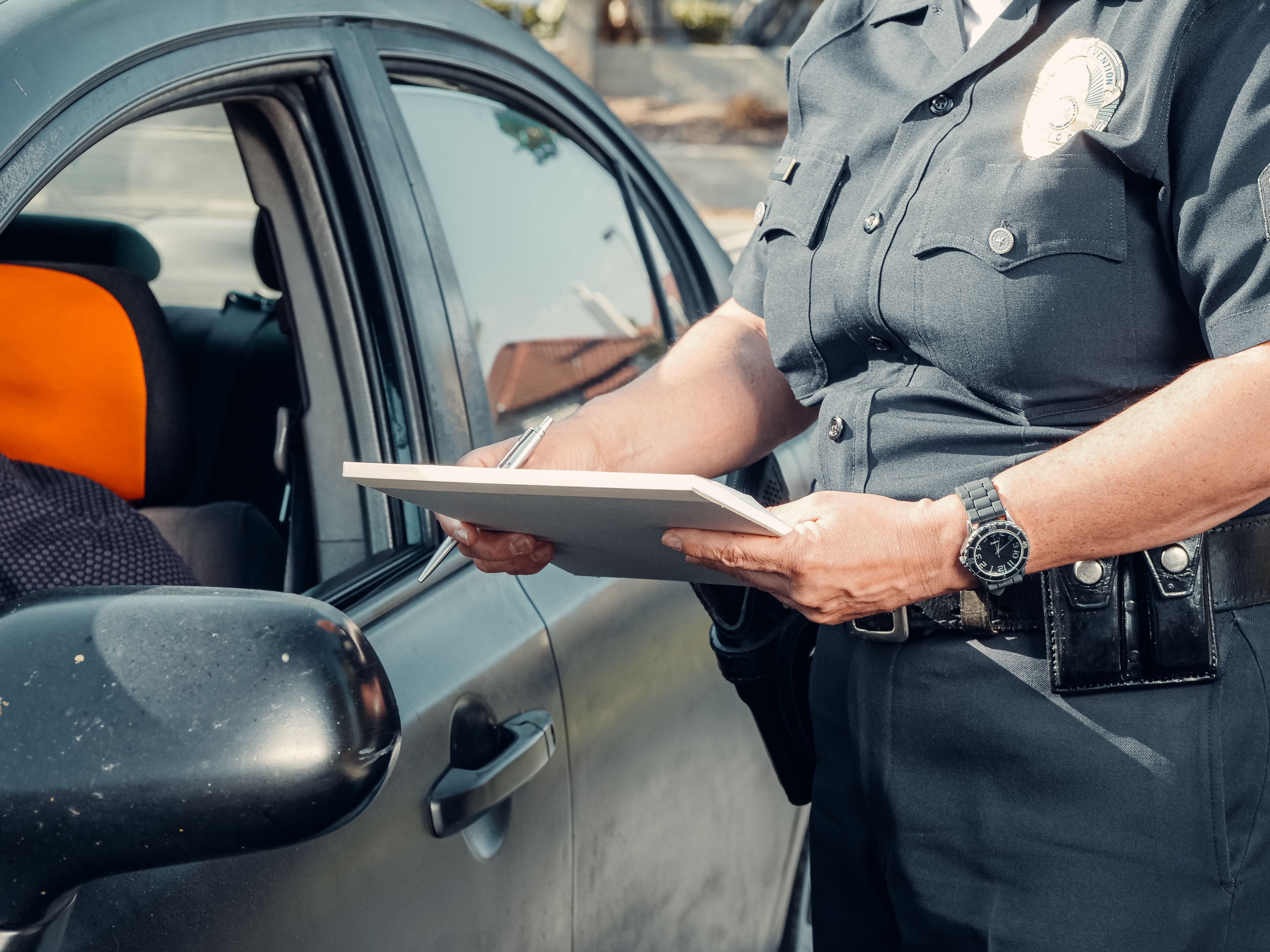
Illegal U-Turns, Unsafe Lane Changes, and Other "Minor" Moving Violations in Nassau CountyIllegal U-turns, unsafe lane changes, and other seemingly minor moving violations in Nassau County can still result in fines, points, insurance consequences, or other penalties, making it important to understand your rights and options after receiving a ticket.