
.svg)

October 14, 2026
Nassau County Speeding Ticket in School Zones and Residential AreasA speeding ticket Nassau County drivers receive in a school zone or residential area can involve more than an ordinary traffic fine.
Speeding tickets are one of the most common traffic violations drivers face. They may seem like simple fines, but they can lead to bigger problems if not handled the right way. Since we represent clients who struggle with these issues every day, we’ve seen how one speeding ticket can create stress, confusion, and unexpected costs.
This guide explains speeding tickets in clear, easy-to-understand language: the different types, how long the process usually takes, and what happens after you receive one.
A speeding ticket is a notice issued by law enforcement when a driver goes faster than the posted speed limit or drives too fast for road conditions. Even if the road seems clear, the law still requires drivers to follow posted limits for everyone’s safety.
Speeding tickets fall under “traffic violations,” and in most cases, they are not criminal offences. But they do affect your driving record and may increase your insurance rates. According to Nolo, a legal information resource, speeding violations are one of the leading reasons drivers see insurance premium increases.
Not all speeding ticket violations are the same. Here are the most common types drivers receive:
This happens when you drive faster than the posted speed limit.
Example: Going 75 mph in a 55 mph zone.
In many places, even going 1 mph over the limit is technically a violation. The ticket is clear and simple: you exceeded the limit.
Some states and regions allow you to challenge a speeding ticket by proving your speed was safe for the road conditions.
Example: You were slightly over the limit on an empty, clear road.
This is more serious. It applies when a driver goes far above the limit often 20 mph or more over.
This kind of violation often carries heavier fines and more points.
Speeding in these areas is taken very seriously. Fines can double or triple because these zones involve higher risks.
At a certain speed level, an officer may view your driving as “reckless.”
This may become a criminal charge, not just a traffic ticket.
We work with drivers who often feel nervous or unsure during the stop. Here’s what normally happens:
From there, the actual ticket process begins.
Every state or region has different laws, but a typical timeline looks like this:
You have a deadline stated on the ticket—usually 10 to 30 days—to respond.
During this time, you can:
Ignoring the deadline leads to much bigger penalties.
A court date will be assigned. This can take anywhere from 30 to 90 days, depending on the court schedule.
The violation appears on your driving record shortly after payment. Your insurance company may also be notified.
The case officially closes, but the ticket remains on your record for several years, depending on local laws and regulations.
Speeding often results in points being added to your driving record. These points stay for a certain period and may cause:
Most speeding tickets stay on your record for 3 to 5 years, but serious ones may remain longer.
Insurance companies see speeding as a sign of risky driving. Even one ticket can lead to a price increase. The more serious the ticket, the higher the increase may be.
Factors that impact your insurance:
Many drivers come to us because they think the ticket is “small,” but later face unexpected insurance hikes.
As someone who helps drivers handle these problems, here’s our simple advice:
Missing the deadline can lead to late fees, license suspension, or even a warrant in some regions.
Some areas allow drivers to take a class to keep points off their record.
Mistakes do happen—wrong speed, wrong location, or incorrect info.
A hearing may reduce the fine or remove points.
A speeding ticket isn’t the end of the world. With proper steps, its impact can be reduced or avoided.
Speeding tickets may seem simple, but they can affect your life more than you expect. From fines and deadlines to points on your record and higher insurance costs, each step matters. As a team that represents drivers dealing with these issues, we understand how stressful and confusing the process can feel.
The good news is that you always have options. Whether you choose to contest the ticket, request traffic school, or get legal help from atraffic ticket attorney in New York, taking action early can make a big difference. The most important thing is not to ignore the ticket and to understand your rights and responsibilities. With the right guidance, you can reduce the impact of a speeding ticket and protect your driving record moving forward.
Typically 3 to 5 years, sometimes longer for serious violations.
Yes. Even one minor ticket can raise your premium.
Yes. Many drivers contest tickets, and some cases are dismissed or reduced.
Not always. Paying the fine means you accept the violation. Contesting the ticket usually requires a hearing.
Yes. These tickets often carry higher fines and more points.
October 14, 2026
Nassau County Speeding Ticket in School Zones and Residential AreasA speeding ticket Nassau County drivers receive in a school zone or residential area can involve more than an ordinary traffic fine.
October 2, 2026
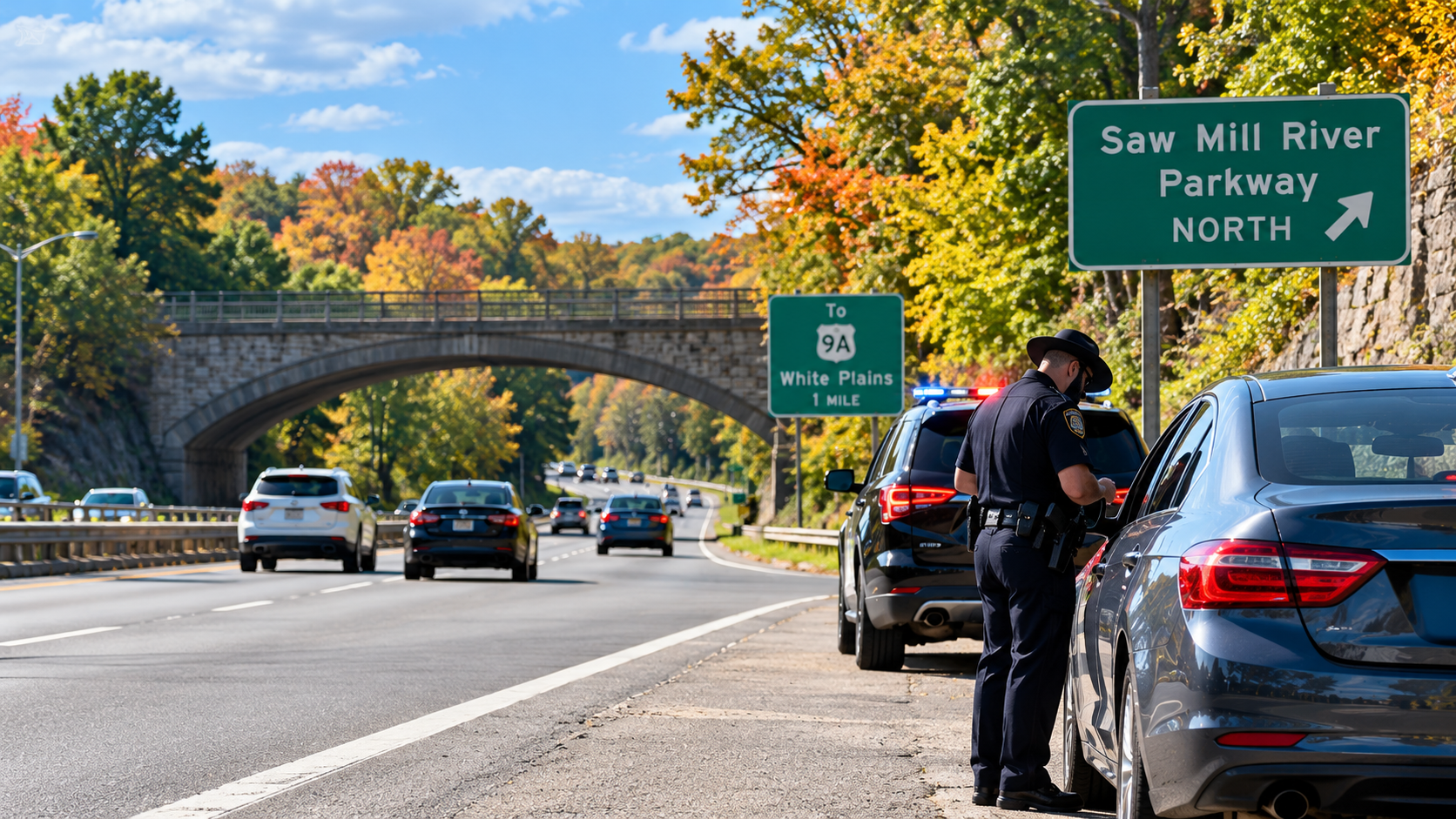
Westchester County Speeding Ticket on Major Parkways and Arterial RoadsA speeding ticket in Westchester County can result in points, fines, and potential insurance consequences, depending on the alleged violation and how the case is resolved.
September 25, 2026
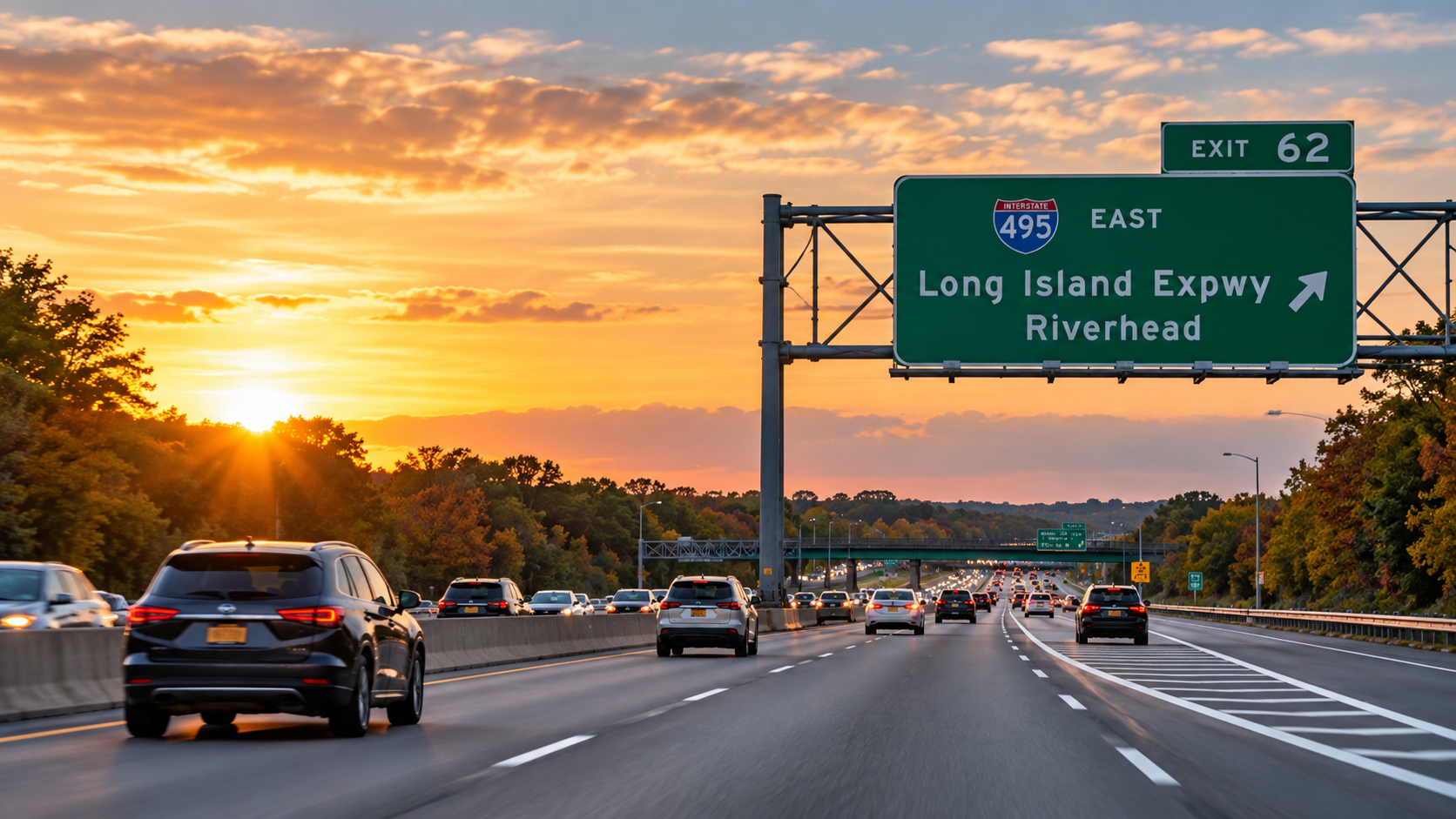
Suffolk County Speeding Ticket on the Long Island Expressway: What Drivers Should KnowA speeding ticket on the Long Island Expressway in Suffolk County can lead to fines, points on your driving record, and potential insurance consequences.

August 24, 2026
Teen Drivers and Junior License Tickets in Suffolk County: What Parents Should KnowParents should understand how junior license restrictions and traffic violations can affect teen drivers, driving privileges, and insurance in Suffolk County.
.jpg)
August 21, 2026
Winter Weather Driving Violations in Westchester: Skidding, Black Ice, and Fault DisputesWinter conditions such as black ice, snow, and slippery roads can lead to skidding, traffic tickets, and disputes over fault after a Westchester County collision.
August 19, 2026
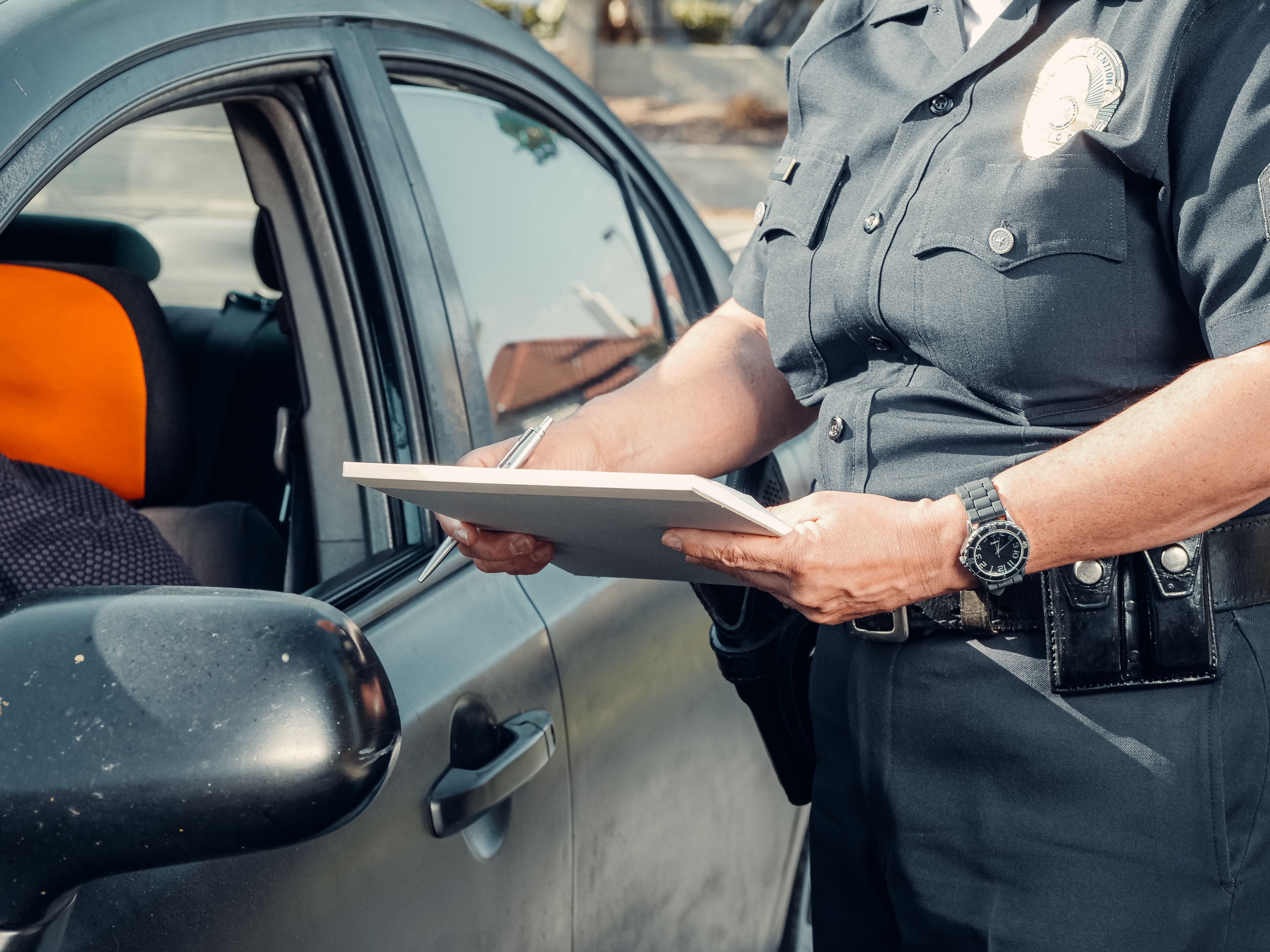
Illegal U-Turns, Unsafe Lane Changes, and Other "Minor" Moving Violations in Nassau CountyIllegal U-turns, unsafe lane changes, and other seemingly minor moving violations in Nassau County can still result in fines, points, insurance consequences, or other penalties, making it important to understand your rights and options after receiving a ticket.